










































Analysis: Roots of Polio Vaccine Suspicion
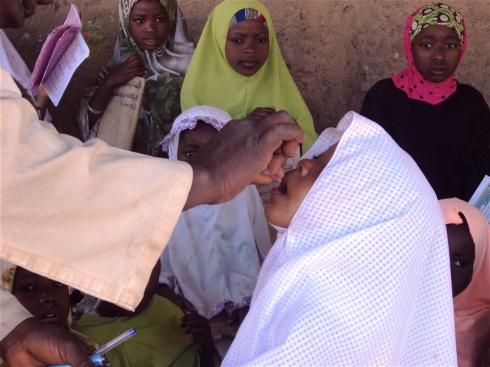
This news piece features conversations with residents, imams, and health workers in Kano State, Nigeria, about the roots of ongoing suspicion of and resistance toward polio vaccination within conservative Islamic communities in northern Nigeria. As of this writing, Nigeria is one of only three countries where polio is still endemic; in 2012, it recorded 122 cases - over half the global total that year.
According to the article, this situation is largely due to a deep distrust of the West, persistent rumours that the vaccine is harmful, and the house-to-house approach taken by immunisation campaigners, which many saw as intrusive or even aggressive. As reported here, in recent years, polio campaigners have changed their methods to try to win over reluctant community members and religious leaders; for instance, they began working closely with community and religious leaders. However, while this seemed to have resulted in greater community acceptance and an improved understanding of polio and the vaccine, in February 2013, 10 polio vaccinators were killed in the northern city of Kano by anti-western Boko Haram militants. Following that, the campaign is now limited to health clinics and hospitals as part of routine immunisations, and it is entirely government-led. "Many doctors fear this approach will threaten eradication efforts."
In terms of the roots of the suspicion, the article offers quotations and analysis to explain persistent issues such as:
- Geo-politics - Sheikh Nasir Muhammed Nasir, imam of Fagge Juma'at Mosque, the largest in Kano, is an advocate of polio immunisation, but points to the United States (US)'s foreign policies in the Muslim world, especially the war in Iraq and Afghanistan. He says that, to many Muslims in Nigeria, "it doesn't make any sense that you offer to save my children from a crippling disease yet are killing my brothers." Residents also expressed scepticism of the focus on polio (especially the free vaccine), saying that the government has failed to provide medications for other urgent diseases, such as malaria and typhoid, which they feel should be given priority.
- Infertility and research issues - For years, there has been suspicion that the polio vaccine is laced with infertility hormones as part of a US-led plot to reduce the Muslim population. In 2003, to address these concerns, the Kano State government and federal government set up committees of doctors and clerics to test the polio vaccine. Following trials in Nigeria, South Africa and Indonesia, they declared the vaccine safe. However, they also confirmed the presence of traces of 2 sex hormones (estrogen and progesterone), which reinforced the sterility rumours in some communities. On a related matter, in 1996, US pharmaceutical manufacturer Pfizer conducted a trial of the meningitis drug Trovan (trovafloxacin) on 200 children at a state-run hospital in Kano. At the time, a triple epidemic of meningitis, measles, and cholera in the city had killed around 12,000 people. One hundred children were put on Trovan and 100 on the antibiotic ceftiaxone. Eleven children participating in the trial died, and others suffered paralysis, brain damage, and slurred speech. Pfizer claimed it was meningitis that had made the affected children sick. The families alleged the clinical trial was improperly conducted and lacked parental consent.
- Lingering anti-colonial sentiment - Several people in the north referred to the introduction of cigarettes to Nigeria by the British 50 years ago. Kano tobacconist Habu Iro and several residents said that in the 1950s, when people bought cigarettes, they would find money in the packet. The amount included was gradually reduced as people became addicted. "We now know what [the] cigarette does to human health. The white man will never give anything for free. It is the same thing with [the] polio vaccine. They are hiding something," 73-year-old Kano resident Dije Umar said.
Moving forward, the National Primary Health Care Development Agency (NPHCDA), which oversees polio immunisation in Nigeria, plans to hold a national workshop in Abuja for Muslim clerics and traditional leaders to clear up all misconceptions about the vaccine. "It will be frank, honest and no-questions-barred discussions where we will clear any misgiving they have about the polio vaccine with concrete proofs and evidences, because once we secure their support, we secure the confidence of the public in accepting the vaccine," said NPHCDA's director-general, Ado Mohammed.
IRIN - Integrated Regional Information Networks. Image caption/credit: A girl receives polio drops at a madrassa in Zamfara state. Photo: Aminu Abubakar/IRIN
- Log in to post comments