










































Building Global Health Capacity Through Polio Eradication
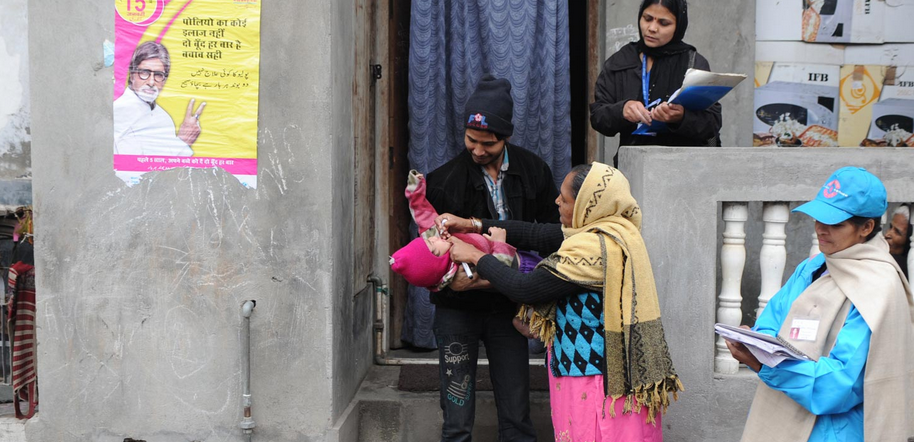
Launched at the event Realizing a Polio-Free World: Sustaining U.S. Support for Global Polio Eradication (video below), this series of interactive online reports from the Center for Strategic and International Studies (CSIS) explores public health interventions for which the United States (US) government provided significant backing to the Global Polio Eradication Initiative (GPEI), either financially or through technical support. One example is the U.S. Agency for International Development (USAID), which has provided guidance along with funding for both community- and facility-based surveillance, social mobilisation, and immunisation activities.
The website was developed in the context of the winding down of the GPEI as polio is on the cusp of being eradicated, and as public health officials at the country, regional, and global levels are taking stock of the assets created by the polio programme. Each section of the website (each interactive report) examines an individual asset, explaining what it is, how it is contributing to polio eradication and to addressing other health issues, and what some of the challenges are to its continuation, post-GPEI. The site illustrates how polio assets are already aiding countries in preventing, detecting, and responding to disease outbreaks, and what would be needed for them to be continue into the future.
The reports are as follows:
- Polio Emergency Operations Centers looks at emergency operations centres (EOCs), which provide a central location from which to coordinate data collection and response to a public health threat. EOCs facilitate internal communication between different organisations and specialties working on polio. This report explains what EOCs are, examines how an emergency mentality for polio eradication was built, provides an EOC timeline and describes their establishment, explores the role of EOCs in addressing other health threats, outlines tangible and intangible challenges, explores EOCs and the Global Health Security Agenda (GHSA), and concludes with thoughts on the way forward.
- Social Mobilization for Polio Eradication discusses the role of India's Social Mobilization Network (SMNet) in eradication efforts and its potential to influence communications and social outreach in other public health programmes and contexts (e.g., similar approaches are now being tried in remaining endemic countries of Nigeria, Afghanistan, and Pakistan). This report on communication for health details why SMNet was needed, how it works, and where it goes from here. "Even if most of the SMNet is dismantled, it has proven the importance of understanding cultural norms and experiences and adjusting programs to respond to them....While they were a long time coming and hard-learned, lessons from the SMNet are contributing to changes that span well beyond polio and India, embedding the belief that human behavior is often not only what spreads diseases, but is critical to stopping them."
- 'STOPping' Poliovirus with Dedicated Volunteers explores the role of the Stop Transmission of Polio (STOP) programme in training field epidemiologists to strengthen disease surveillance and response in low-resource settings. Although more focused on technical support, this report incorporates some communication in its focus on transferring skills and building capacity. It examines: how these "disease detectives" were developed, how STOP works, how STOPpers are trained, and the future of STOP.
Email from CSIS to The Communication Initiative on June 20 2018; and CSIS website, July 19 2018 and July 7 2020. Image credit: CSIS
- Log in to post comments