










































Faith and Vaccination: A Scoping Review of the Relationships between Religious Beliefs and Vaccine Hesitancy
"...aim to shed new light on the dynamics of vaccine hesitancy among religious groups, contributing to the broader effort to promote vaccine uptake, dispel misunderstandings, and encourage constructive dialogue with these groups."
Public health researchers have sought to understand vaccine acceptance, hesitancy, and rejection mostly as an individualised health problem rather than a collective problem. Yet religious faith serves as a significant societal and environmental factor capable of shaping a person's convictions, customs, and health-related actions. This paper reviews literature on the role of religiosity on vaccine hesitancy, acknowledging its significant influence on social behaviour. In addition, it explores how religiosity interacts with other sociodemographic indicators in the context of vaccine hesitancy.
The researchers' search and screening strategy led to analysis of 14 peer-reviewed articles published between 2012 and September 2023, with only 4 of the articles published before 2020. Twelve of the studies utilised quantitative methods; the remaining 2 employed qualitative approaches. Among the studies published before the COVID-19 pandemic, only 2 articles were focused on hesitancy regarding a specific vaccine - the oral polio virus (OPV) vaccine and the measles, mumps, and rubella (MMR) vaccine, respectively - with the remaining studying general vaccine hesitancy.
In a simplified approach with religious beliefs as the sole identifier for hesitancy, it was found to quite often significantly and negatively associate with the intention to vaccinate. Faith was seen as a strong influence on an individual's decision to vaccinate, with religious individuals relying on their faith rather than seeking vaccination. However, faith can play both positive and negative roles with the intention to vaccinate. One qualitative study found that decision-making was linked to participants' trust in God and fear of regretting decisions on vaccination in the future. In contrast, another group of parents within the same population saw vaccines as "a gift from God to be used in gratitude". Meanwhile, another study in Nigeria found that the role of religion played no influence with the propensity to refuse the OPV vaccine.
While some similarities were observed among diverse religious groups to explain vaccine hesitancy, such as a shared belief in divine healing and protection from God, reviewed studies document variations among different religious groups, underscoring the contextual factors that contribute to vaccine hesitancy within these groups. Notably, vaccine hesitancy was comparatively higher among evangelical Christians when compared to Catholics, other Protestants, and Muslim groups. Possible explanations mentioned in that reviewed study include lack of trust in science, the belief in divine healing and protection from God, and conspiracy beliefs about vaccines. Other reasons for hesitancy included strict adherence to religious doctrines and concerns about potential regret related to vaccination decisions. The limited literature addressing the distinctions between various religious identities results in generalisations of ideological beliefs being applied to the entire population.
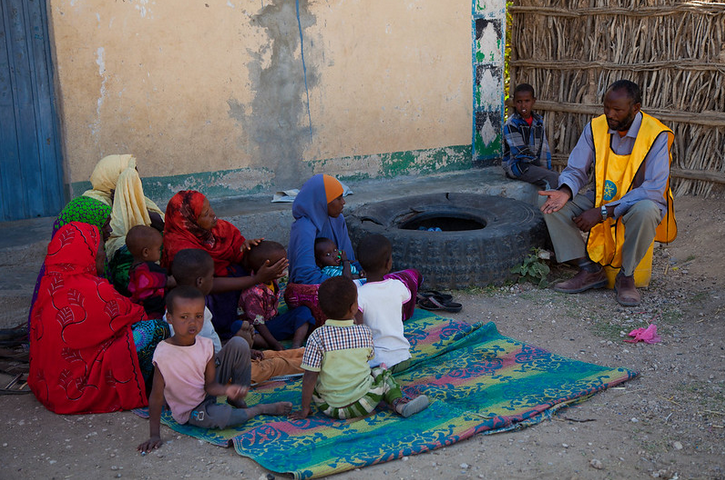
In harmony with such findings, the literature strongly advocates for cultivating strong connections with religious leaders, recognising their influential role in shaping opinions and beliefs. Endorsements from these leaders can serve to solidify confidence in vaccine safety, making them crucial partners in public health efforts.
All studies in the review reported sociodemographic factors to some degree related to vaccine hesitancy within their sample populations. Frequently assessed sociodemographics were gender, education, and socioeconomic status or income. Most of the included studies showed that when analysed with other sociodemographic factors in multivariate analysis, religious beliefs were found to be no longer significant. For example, lower income and educational attainment, in conjunction with non-Western heritage, played varying yet influential roles in determining the choice to participate in endemic and voluntary enrollment within ongoing vaccination initiatives. These studies found that social, historical, and contextual factors (present and past) played a larger role in the decision to vaccinate than did religious convictions or beliefs. Trust in public or healthcare institutions or perceived relationship between community and governing agencies were seen as more consistent indicators of willingness to access vaccination.
The researchers identify several gaps in the literature. While 11 of the studies primarily examined secular western countries, it is worth noting that the regions with the highest rates of religious affiliation (approximately 95% or more) are in Africa, South Asia, Central Asia, and the Middle East. In addition, the review identified just one article that comprehensively assessed the extent of religious observance within religious communities. The measurement of religious commitment has been found to affect individuals' behavioural adherence to religious values, beliefs, and practices; thus, further research is warranted.
In sum, the analysis underscores the need for a nuanced approach to addressing vaccine hesitancy among religious groups. Such an approach would entail investigating various factors such as secular, social, and ecological elements, in addition to concerns about long-term side effects. "Recognizing these aspects is crucial, considering both current and historical structures that shape their inequities. This recognition helps to understand their contributions to the intricate landscape that shapes vaccination intent and behavior within these populations....Gender and family considerations, for example, could inform engagement strategies and policies by recognizing the higher tendencies of women with children to be hesitant in vaccinating themselves and families..."
In conclusion: "Understanding the context of religion in the lives of community members is crucial in order to comprehensively evaluate its role in shaping vaccine attitudes and behaviors. This review calls attention to this intricate relationship. It underscores the need for nuanced, culturally sensitive strategies to address hesitancy within religious communities, recognizing the impact that social factors play, and advocates for further intersectional research to better understand and combat this critical public health challenge."
BMC Public Health (2024) 24:1806. https://doi.org/10.1186/s12889-024-18873-4. Image caption/credit: Shiekh counsels mothers in Lafaisa sub-district, Awbare District, Fafan Zone, Ethiopia, regarding the importance of vaccinating their children against polio. Religious leaders play a critical role in mobilising the community during these vaccination campaigns. ©UNICEF Ethiopia/2015/Getachew via Flickr (CC BY-NC-ND 2.0)
- Log in to post comments