










































Field Guide - Designing Evaluations for Behavioral Interventions to Increase Immunization
"Social, cultural, psychological, and economic factors can influence vaccination intentions, uptake, and behavior. Evaluating behavioral interventions is important..."
Behaviourally-informed interventions consider the various factors that influence vaccine perceptions and uptake, as well as tailor strategies for each community based on their context, needs, and priorities. Understanding these factors and what works best for different groups in communities of focus requires collecting data to inform, monitor, and evaluate these efforts. Published by the Vaccination Demand Hub, this guide provides a practical overview on how to evaluate behavioural interventions to increase immunisation. The guide is intended for use by all public health practitioners and researchers, with a focus on low- and middle-income country contexts.
The guide is premised on the observation that strengthening vaccine demand and uptake requires leveraging insights and learnings from the behavioural and social sciences to inform interventions that:
- influence how individuals think and feel about vaccines;
- increase motivation to get vaccinated;
- strengthen social norms supporting vaccination;
- employ tactics to make it easier for people to follow through on their intentions to vaccinate; and
- address structural and systemic issues related to vaccination (including access and availability).
However, it can be especially challenging to evaluate behavioural interventions since there are many factors that influence behaviour, which are hard to measure and tease apart. These interrelated factors also make it difficult to attribute changes to a specific intervention.
The guide is organised into 5 steps, each of which includes guidance, considerations, examples, and links to existing resources for more detailed support:
- Planning an Evaluation
- Choosing Evaluation Design and Methods
- Gathering Data
- Analysing Data
- Using and Communicating Results
The idea for the development of this guide was conceived by the Behaviorally Informed Interventions (BII) workstream of the Vaccination Demand Hub. Karna LLC led the development of the guide collaboratively with staff from the U.S. Centers for Disease Control & Prevention (CDC) Global Immunization Division and the United Nations Children's Fund (UNICEF) in collaboration with an advisory group comprised of staff from the World Health Organization (WHO), the Gates Foundation, U.S. Agency for International Development (USAID), International Federation of Red Cross and Red Crescent Societies (IFRC), Sabin Vaccine Institute, Breakthrough-ACTION Nigeria, John Snow, Inc. (JSI), ideas42, Common Thread, Vaccine Network for Disease Control Nigeria, the GAVI CSO Constituency, and other non-governmental organisations (NGOs).
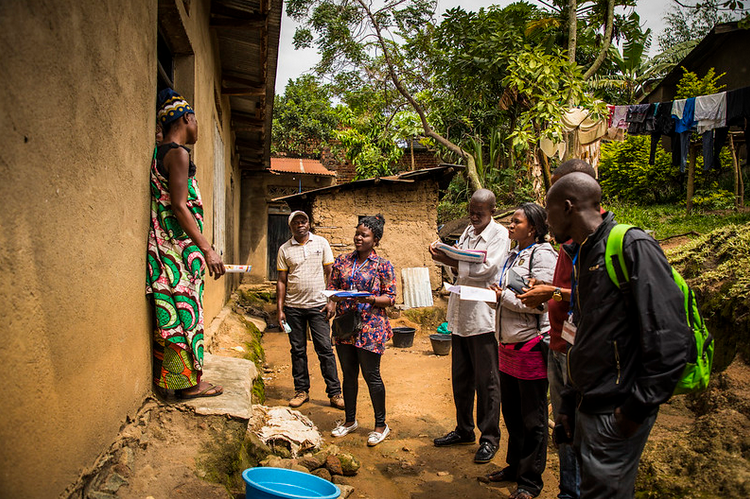
Vaccination Demand Hub, July 22 2024. Image credit: World Bank / Vincent Tremeau via Flickr (CC BY-NC-ND 2.0)
- Log in to post comments