










































From No to Know - Social Mobilization: Lessons from Polio Program
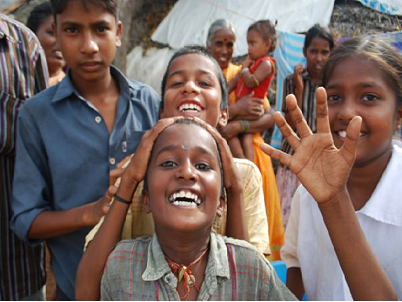
"Lessons from the added-value of polio communication may contribute to other public health communication programs, particularly those trying to reach out to the marginalized and poor."
This document shares insights that emerged from a Project Concern International (PCI) India consultation focused on the role of social mobilisation in polio eradication. The objective of the New Delhi April 2012 consultation was to bring together public health experts, community members, the media, and leaders from the government, donors, bilateral organisations, and international non-governmental organisations (NGOs) to discuss how social mobilisation in polio eradication can lead to effective and lasting solutions for other public health issues. As of this writing, it had been 1 year since the World Health Organization (WHO) had removed India from the list of polio-endemic countries; however, to be certified completely free of the disease, there have to be 2 more years without any fresh incidence.
The consultation outlined the 4 pillars of the polio eradication programme, which include: partnerships, micro-planning, social mobilisation, and evidence-based planning. It is noted that mass media efforts to tell parents and families of the over 170 million children who need to be vaccinated in every polio round when, where, and why the immunisation is taking place were not working in high-risk areas. The resistance was primarily caused by lack of trust, so the social mobilisation strategy concentrated its resources and strengths in high-risk areas. It was a focused effort to communicate with the community through interpersonal communication (IPC) and information, education, and communication (IEC) tools. Over 10,000 social mobilisers worked in less than 4% area of the country.
It is noted that, while widespread mass media campaigns, supported by celebrity appeals, ensured visibility and public awareness of the Global Polio Eradication Initiative (GPEI), augmentation of IPC and social mobilisation interventions have become crucial to reach hard-to-reach populations. To illustrate this, amongst other activities, a theatrical performance was held at the consultation event with a narrator. This 45-minute wordless performance ("Pantomime") outlined the 11-year journey of engaging the community in polio eradication and overcoming communication challenges encountered by mobilisers and vaccinators. The panel discussions highlighted how the polio programme has been able to bring together various government departments toward changed behaviour, demand generation, and higher utilisation of services - ultimately, as stated here, leading to universal coverage and empowerment of communities.
More specifically, the social mobilisation strategy:
- Was supported by a research and surveillance system.
- Involved trained personnel, including those trained in communications.
- Had proximity to the community - mobilisers were chosen from the local community. "They spoke the same language, had easy access to households, and knew how to influence families in their area. Being part of the community makes a lot of difference and enhanced the accessibility to the program in high risk areas."
- Engaged influencers, unique to each resistant household - some would listen to local religious leaders, others to traditional healers in the village or village matchmakers, midwives, or mothers-in-law.
- Engaged religious institutions to address misconceptions and rumours.
- Engaged community leaders to build public confidence and credibility in the polio eradication initiative.
- Utilised the wisdom of the local community through dialogue with the community - their input "often became game changers....For instance, the...knowledge that best time to approach families was either early morning or late evenings, when men, who are the decision makers in family, are at home, was based on one such a feedback. It helped the campaign to plan house to house visits more efficiently."
Recommendations that may apply to other public health communication programmes:
- Implement communication interventions based on routine monitoring of epidemiological, social, and behavioural data on affected populations.
- Use IPC and social mobilisation at different levels to maximise reach, effectiveness, and efficiency.
- Address social/gender norms to improve IPC and increase access to hard-to-reach groups.
- Undertake advocacy, with intensive grassroots mobilisation, to reach and communicate with marginalised communities.
- Mobilise community leaders and undertake communication and relationship-building to engage families and caregivers who question repeated polio vaccination.
- Involve religious leaders as spokespersons and use faith-based folk media (i.e., mosque announcements) to reach community members.
- Work with trained communication outreach workers.
Editor's note, June 26 2017: This report seems to no longer be available anywhere online. However, there is a video, below, which covers some of its major themes.
PCI website, August 16 2013 and June 26 2017; and India Polio Communication Update, June 2012.
- Log in to post comments