










































Recovering from the Unprecedented Backsliding in Immunization Coverage: Learnings from Country Programming in Five Countries through the Past Two Years of COVID-19 Pandemic Disruptions
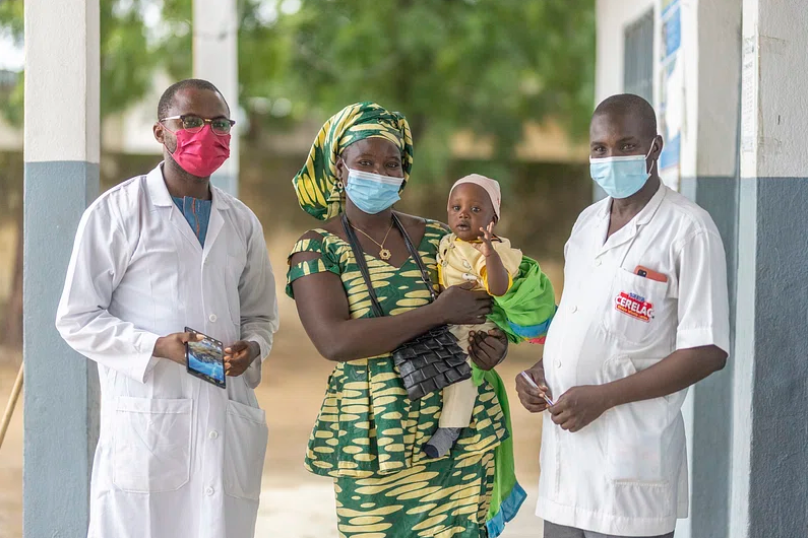
"Investing in broader health system strengthening and improving linkages with communities will help advance immunization goals."
The COVID-19 pandemic had a dire impact on coverage of routine immunisation (RI) worldwide. Initial lockdowns disrupted access to RI services, while subsequent COVID-19 vaccination efforts shifted often-limited resources away from routine services. As a result, an estimated 25 million children missed out on routine vaccinations in 2021, 6 million more than in 2019 and the highest number since 2006. This article spotlights examples of strategies used by 5 countries - Cambodia, Cameroon, Kenya, Nigeria, and Uganda - that, according to the Clinton Health Access Initiative (CHAI), have successfully strengthened RI programmes and restored lost coverage levels back to pre-pandemic levels. The goal is to identify country-level learnings and inform and support other countries to respond more rapidly and effectively, despite new and emerging challenges.
Per CHAI, exemplary strategies adopted by these countries that contributed to favourable immunisation outcomes in 2021 include:
- Conducting frequent and intensified catch-up activities: In the 5 countries, multiple rounds of catch-up activities were conducted to service high-risk communities throughout the pandemic to address coverage gaps and inequities. These included a mix of intensified and targeted outreaches and campaign-style periodic intensification of RI activities - e.g., integrated child health days (ICHDs) and local immunisation days (LIDs). For example, CHAI Cameroon used a dashboard to rapidly identify and prioritise districts that required intensified catch-up activities.
- Strengthening health information systems to routinely capture immunisation coverage and ongoing disease surveillance: CHAI provided technical support to the Expanded Programme for Immunization (EPI) across all levels in Cambodia, Uganda, and Kenya to strengthen data management and review capacities to promote immunisation data use for planning and decision making. By promoting a systemic approach that leverages existing data, underserved communities can be identified and necessary resources allocated for rapid course correction.
- Finding synergies with the COVID-19 vaccine roll-out: For example, in Nigeria, the strategies included the following: TEACH, which combines traditional microplanning methods with appropriate technology; SCALES 3.0 (Supervision, Communication, Accountability, Logistics, Immunization data and Service delivery), a strategy that incorporates integration of services, performance-based incentives, data use for action, and decentralised demand generation; and a family-centred integrated PHC approach that translates into the national strategy of improving access to basic health services.
- Mobilising resources for sustaining immunisation services: In Uganda, by engaging non-traditional health stakeholders, particularly at the district level, the immunisation programme was able to mobilise additional financing and resources, including human resources to support data management and operational aspects of delivering vaccinations.
- Restructuring health systems to build resilience: For example, the Cambodian government is in the process of developing a booster strategy to ensure all individuals can access a quality package of care in the public sector. It aims to emphasise stronger community engagement and new models of service delivery that could strengthen the resilience of health systems. CHAI is supporting this effort by updating the community participation policy, which will redefine the governance, roles, and responsibilities for community heath workers within existing community structures.
In conclusion: "With the future of the COVID-19 pandemic remaining uncertain, it is vital to focus on building back better the resilience of our immunization systems to respond more rapidly and effectively to challenges, and ensure all children continue to have access to lifesaving vaccinations despite new and emerging concerns. Learnings from the exemplary countries presented in this article provide insights into the various possibilities that can be unlocked with the right commitment and support."
Vaccines 2023, 11, 375. https://doi.org/10.3390/vaccines11020375. Image credit: Rawpixel (free CC0 image)
- Log in to post comments