










































Report on Barriers to Polio Eradication in Nigeria: Independent Evaluation Team for Nigeria
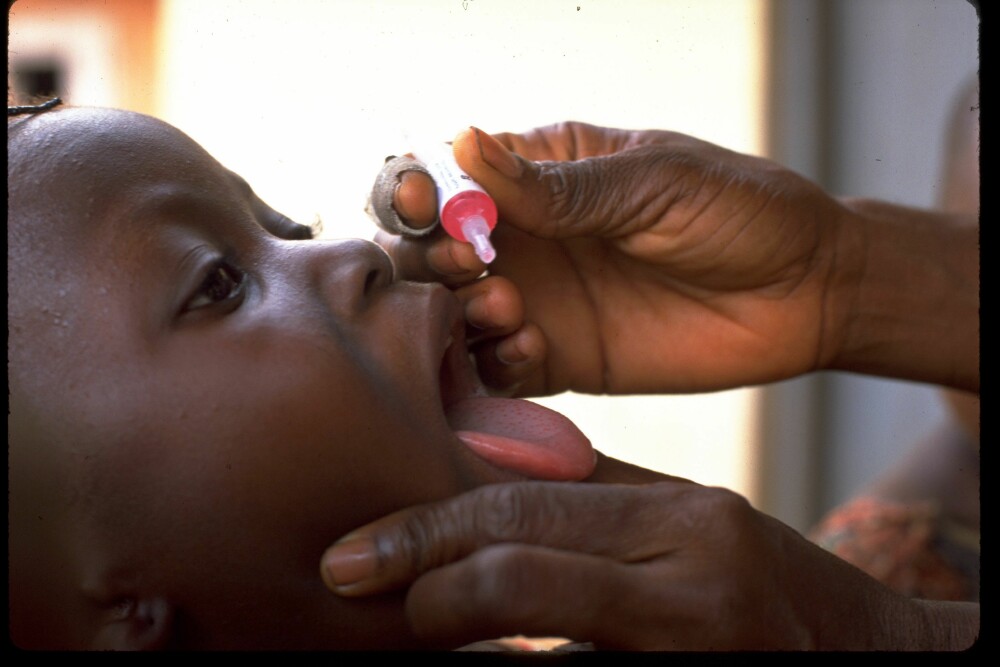
This 36-page report details an independent, external evaluation of the Global Poliomyelitis Eradication Initiative (GPEI) that was carried out in response to a request from the Executive Board of the World Health Organization (WHO). The report is part of a package that consists of an Executive Summary and 5 full reports from 5 separate evaluation teams, focused on: Nigeria, India, Pakistan, Afghanistan, and the international spread of polio.
The activities carried out by the team from August 4-14 2009 included: a review of the available literature, policy documents, and partnership frameworks and WHO data; meetings and discussions with officials, decision-makers, and other stakeholders; and visits by sub-teams to a wide range of health facilities.
Selected communication-related findings:
- "The Evaluation Team was impressed by the progress that has been made in polio eradication in Nigeria in the last 2 years. After meeting with several key officials and Emirs at the various levels of government, the Evaluation Team found that, as a result of efforts such as the Abuja Declaration and advocacy campaigns...the programme is now moving in the right direction, and with further support as described below, is capable of achieving polio eradication."
- "Political, religious, and traditional leaders were now very supportive of the polio immunization campaign. Previous concerns or misconceptions about polio vaccine safety appear to have reduced and now have only a negligible influence."
- Management issues at all levels were found to be the most critical barriers to success.
- Though there is commitment to the programme at higher levels, this is not always so at lower levels, where there is great variation.
- "The performance of polio eradication activities is highly dependent on the commitment of the Local Government authorities, and the priority placed on polio eradication. Performance management was found to be weak in all the areas visited. Such problems indicate a lack of ownership of the programme and commitment to it."
- "Inadequate mobilization of community groups, such as women's groups and others is another key barrier to increasing community demand for polio eradication."
Communication-related recommendations:
- Sustaining government commitment at all levels, but especially at the local level, can be greatly assisted by creating "focal points" who have the authority to ensure that polio eradication progress continues to be made. Stakeholders like WHO, the United Nations Children's Fund (UNICEF), and others may consider providing technical support to the focal point at the local government level on a regular basis until interruption of transmission is achieved.
- Enhancing the accountability and political stake of the partners in the polio eradication programme by ensuring close monitoring and follow-up of polio eradication activities at high levels.
- Ensuring good operational, financial, and logistical programme management. This requires support and training of field staff, especially for the National Immunisation Days (NIDs).
- Ensuring strong community mobilisation with involvement of all strategic partners, including women's groups, religious and traditional organisations, etc.
- Creating a strong communication campaign with thorough implementation of a nationally integrated communication and social mobilisation strategy at federal, state, and local government levels.
- Strengthening existing surveillance in order not to miss any chains of transmission, together with engagement of donor partners in monitoring and analysis.
An excerpt from the section "Social Mobilization and the Role of Community-Based Organizations" follows:
"Community-based organizations are critical to the success of polio eradication, in ensuring a well-informed community demanding high-quality immunization services. Inadequate mobilization of such groups, such as women's groups and others, is a key barrier to community demand. Inadequate community interest, support, and demand have therefore become barriers to polio eradication. The Evaluation Team was informed that community demand for polio and routine immunizations was not strong, since there had been doubts expressed by political and religious leaders some years ago. Polio has not been the highest priority in terms of child survival and there is a disjunction between immunization and other health care services. The Evaluation Team was told of instances where mothers were skeptical about the free availability of polio vaccine, and the requirement to purchase treatment for malaria, for example.
The vaccination teams were equally poorly equipped with the appropriate interpersonal communication skills to respond to even the slightest community challenges....Such skills should be a basic requirement for immunization team members, especially in areas of low coverage. It may be necessary to establish training programmes for staff to ensure that all teams are adequately prepared.
The late release of funds to support social mobilization activities is a major issue...
Addressing these issues will require the cooperation of many sectors of society, but particularly partners supporting social mobilization activities, community women organizations, religious and traditional leaders.
Some innovative social mobilization projects have been established....These projects should be examined for lessons and applied more broadly.
The essence of social mobilization is ownership by and partnership with the community. Results from Polio Eradication activities will be greatly improved through such an approach and avoidance of any suggestion of compulsion. Funding could be targeted to building participatory approaches."
WHO Polio website, accessed December 16 2009. Image credit: WHO

- Log in to post comments