










































Combating Anti Vaccine Rumors in Nigeria: A Case Study
Summary:
The rumors connecting vaccination with monkeypox, initially surfaced in the southeast states of Nigeria and had its roots in the ongoing agitation against the state and separatist aspirations as an attempt to discredit the military. This resulted in a huge setback for Nigeria's polio eradication initiative in late 2017 as large number of non-compliances and block rejections were recorded not only where the rumors initiated but across most of the country. North eastern states of Yobe, Burno and Adamawa were the worst affected and besides polio campaign, all forms of vaccinations were adversely impacted. To tackle the crisis and prevent it further spread, UNICEF C4D programme developed and activated a comprehensive crisis communication plan, swift and over-arching buy-in, participation and engagement of religious and community leaders, social mobilization through VCM network, developing communication materials like FAQs, appeals, audio and videos of influential people giving pro-vaccination messages, effective use of mass media and media management, handling social media, capacity building of mobilizers and health workers in handling media and media monitoring and rumor tracking. C4D efforts in addressing these rumors resulted in decline in non-compliance family in November 2017 polio round and resulted into significant improvement in OPV coverage during November polio round. Preliminary findings of Rapid assessment of awareness about MVC has also shown that UNICEF's communication strategies in response to monkey pox rumors effectively worked and reduced the effect of rumor in Nigeria.
Background/Objectives:
In late 2017, the polio eradication programme in Nigeria received a significant setback due to anti-vaccination rumors, cases of non-compliance and block-rejections sky-rocketed that made parent worried about their kids safety and well-being, the rumors link vaccination with monkeypox and posed a serious threat the over-all progress and historic gains Nigeria made against polio. To defuse these rumors and rebuild caregiver trust in vaccination, the UNICEF C4D programme implemented a multi-pronged strategy consisting of the activation of crises communication, engagement of traditional leaders, community engagement and extensive social media engagement.
Description of Intervention and/or Methods/Design:
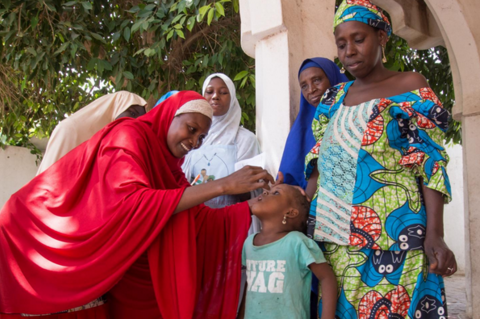
The Polio Eradication Programme in Nigeria witnessed a major setback in 2016 as four WPV cases were discovered after about two years, this was further aggravated by the spread of anti-vaccination rumors that seriously affected the quality and coverage of polio immunization resulting in a spike of block rejections and non-compliance cases. C4D programme in Nigeria responded swiftly by conducting a situation analysis followed by high-level advocacy, activation of the crisis communication strategy, sensitization of traditional and religious leaders and soliciting their support and effective utilization of social media platforms. The VCM-network played a significant role.
Results/Lessons Learned:
C4D efforts in addressing rumors resulted in reduced noncompliance cases during subsequent campaigns, significantly improving OPV coverage, pending non-compliance cases in Adamawa state during last five SIPDS shows a clear downwards trend and there is clear evidence that negative effects of rumors during October SIPD has subsided. C4D interventions produced significant results reducing the number of non-compliant families from over 2625 in October to 181 in November 2017. Rapid survey was conducted in 6 states (Jigawa, Kaduna, Kano, Katsina, Kebbi and Zamfara) to assess Measles vaccine awareness. Preliminary findings shown that UNICEF's communication strategies effectively worked and reduced the effect of rumors. Total 71% Of the surveyed areas had VCMs settlements Overall the awareness level were fair. On average, awareness about measles stood at 75% slightly higher among urban caregivers compare to only 72.5% of rural caregivers had awareness about measles.
Discussion/Implications for the Field:
The Nigeria anti-vaccination rumors spread like wildfire engulfing towns and cities and striking caregivers with fear and concern for the well-being of their children, it took everyone by surprise and posed a serious risk to the entire polio eradication programme with real fears of rolling back historic gains. it also highlighted the importance of monitoring social media and preventing/minimising it from being used to cause serious harm. meanwhile it also proved that effective, timely and right strategies could defuse rumors with the same speed, only if the mediums and tools available at our disposal are used effectively.
Abstract submitted by:
Anisur Rahman Siddique - UNICEF Zabi Kamran - UNICEF