










































Traumatic Events and Vaccination Decisions: A Systematic Review
University of Sydney (Christou-Ergos, Wiley, Leask); Westmead Hospital (Wiley, Leask); Princess Margaret Cancer Centre (Shapiro)
"This [review] may inform whether tailored approaches to address vaccine hesitancy are warranted for trauma-affected individuals."
Past experiences can influence vaccination decisions. For instance, the experience of traumatic events may affect threat appraisal and outcome predictions, which are also utilised when making vaccination decisions (e.g., the anticipated regret of contracting a vaccine-preventable disease (VPD) following vaccine refusal). Furthermore, the interaction between subjective norms and perceived behavioural control has been found to be associated with vaccination intention. Since trauma is often associated with feelings of loss of control and/or helplessness, this connection suggests yet another way in which vaccination decisions may relate to the experience of psychological trauma. To investigate the linkages further, these researchers conducted a systematic review to synthesise what is known about the relationship between traumatic events and subsequent vaccination decisions.
The researchers searched MEDLINE, PsycINFO, and CINHAL electronic databases for relevant peer-reviewed studies published in English between 1980 and 2021. Of the 52 articles included in full-text assessment, 5 met the eligibility criteria. The studies were conducted in India (n = 1), South Korea (n = 1), South Sudan (n = 1), and the United States (n = 2), and thus were diverse in cultural scope. The oldest of the studies was published in 2012, which suggests that the exploration of the subject is new and that more research is needed to make definitive conclusions.
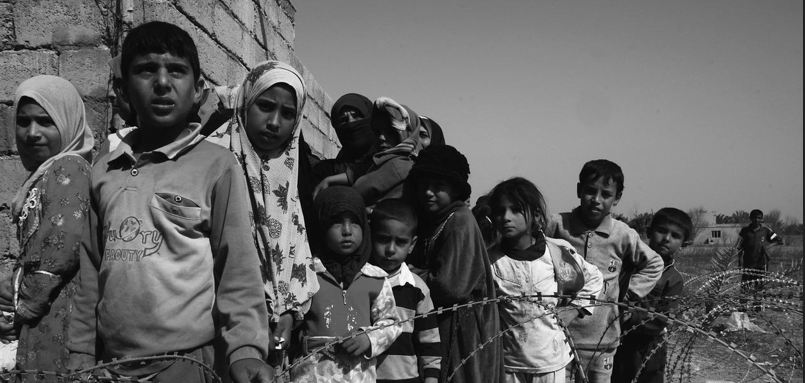
Two studies found that vaccine acceptance was associated with perceived likelihood of VPD infection amplified by a traumatic event. For example, a qualitative study found that a heightened fear of cholera during a humanitarian crisis was related to increased acceptance of a cholera vaccine. Trust was of particular importance in this study, whereby distrust in institutions was associated with hesitancy, while inversely, increased trust was associated with acceptance.
Three studies examined a traumatic event and vaccine uptake. In one study, vaccine refusal was evident in a study of paediatric survivors of sexual assault, in which 48% of vaccine-eligible patients did not receive the human papillomavirus (HPV) vaccine during the intervention. This study identifies limited social support via the absence of a consenting and guiding caregiver as a key barrier to vaccine uptake. A population level cross-sectional survey examined vaccination uptake following a ferry disaster with effects on mental health and social disruption. Residents of a comparison city received more vaccination than residents in the city affected by the disaster (adjusted odds ratio (AOR) = 1.10; 95% confidence interval (CI) = 1.04-1.17; p = 0.002). While there was no difference in the vaccination rates between depressed individuals in both cities, non-depressed individuals residing in the same locality as disaster victims received fewer vaccinations following the disaster (AOR = 1.12; 95% CI = 1.05-1.20; p < 0.001) compared to non-depressed individuals in the comparison city.
Thus, the findings of this review suggest that, while the evidence is limited, the experience of trauma is associated with individual vaccination decisions. Social and practical factors related to both trauma and vaccination may mediate this relationship. The two studies that found that a traumatic experience was associated with increased vaccine acceptance were the only two studies that measured vaccination intention rather than uptake. Thus, vaccination intention and behaviour may differ following a traumatic experience, and while individuals may be very motivated to receive a vaccine, practical barriers may affect vaccine uptake.
In exploring the potential mechanism underlying the effect of traumatic experiences on vaccination decisions, the researchers point to research indicating that confidence, underpinned by trust, is a moderate correlate of vaccine acceptance. The experience of trauma may affect an individual's capacity for trust, which could be relevant to understanding vaccination decisions following trauma. One study in this review investigated the vaccination behaviour of individuals following death or harm caused to others by a disaster. While practical challenges imposed on the community may play a role, experiencing first-person narratives of victims has been found to influence behaviour. The impact of vicarious trauma on vaccination decisions may be important to explore further in the face of anti-vaccination rhetoric that uses personal anecdotes of traumatic vaccination experiences as evidence of alleged vaccine harms.
Per the researchers, risk appraisals may depend on the type of trauma and vaccine in question, along with other potential factors that require further investigation. For example: "Vaccination decisions are influenced by social and cultural factors..., as are the consequences of traumatic events that can be shaped by cultural...and gender norms.... The mediating effect of these variables in relation to trauma and vaccination may be an appropriate avenue for future research."
Among other suggestions made here is to investigate the efficacy of interventions that use a trauma-informed approach on vaccination intention and uptake. These approaches recognise that trauma can infuse the entire medical context; applying trauma knowledge to practice and endeavouring to prevent further trauma are among the responses. Future research could consider the most effective actions to implement alongside vaccination procedures under such an approach.
In conclusion: "This review finds that the experience of psychological trauma is associated with vaccination intention and behaviour and points to the potential importance of a trauma-informed approach to vaccination interventions..."
Vaccines 2022, 10(6), 911; https://doi.org/10.3390/vaccines10060911. Image credit: Pixabay (public doman)
- Log in to post comments