










































Why Communities Should Be the Focus to Reduce Stigma Attached to COVID-19
CORE Group Polio Project (Bologna, Stamidis, Solomon, Bisrat, Kisanga, Usman, Arale); CORE Group (Paige)
"The CGPP's current response to COVID-19 stigma is heavily dependent on tapping highly collaborative strategies of community partnership. Grounded in trust and inclusion, the CGPP is now using these vital strategies for its pandemic response program and will deploy these again during the rollout of a COVID-19 vaccine."
Since 1999, the CORE Group Polio Project (CGPP) has developed and implemented strategies to mobilise communities to improve vaccine uptake for polio and other vaccine-preventable diseases and to conduct disease surveillance in high-risk, border, and hard-to-reach locations in 8 countries. CGPP teams have been called upon to address the COVID-19 pandemic, and, as in the case of polio, the pandemic response is impacted by stigma in all areas of response, including health education, testing, contact tracing, and treatment. This article offers an analysis of the nature of stigma in communities where CGPP operates and, based on that experience, applies polio lessons of community engagement, community networks, and community leaders to efforts to reduce COVID-19 stigma.
CGPP explains that, because the drivers and impacts of stigma reach beyond the individual, an ecological approach to stigma has utility in accounting for experiences at the individual, family, community, and policy levels, and in incorporating underlying factors including social norms and socioeconomic conditions. Such an approach recognises that, while some drivers of stigma appear to be universal, others are linked to country and community context. For instance, "In CGPP implementation areas, the drivers of stigma have been fueled by the massive and complex body of information and misinformation, preexisting and renewed mistrust in, and anger toward the government/public sector, fear of the unknown, and implicit bias. These drivers are common across the globe, but what lies underneath these drivers is unique to each place, and therefore, addressing stigma requires a level of familiarity that is only accessible to individuals and groups who are part of the deeply woven fabric of each community."
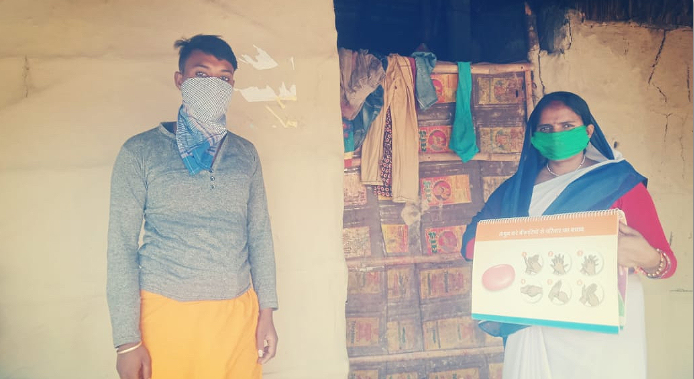
Figure 1 in the article highlights different drivers of stigma, the various populations affected, and its manifestations in CGPP areas. To cite one example, in India, a fruit vendor, his wife, and two adult children recovered from COVID-19 at an isolation centre and returned to their village, only to be boycotted by neighbours and relatives - leaving the family ostracised, isolated, and cut off from their only source of income.
Figure 2 presents a spectrum of country-specific applications of polio lessons that CGPP is drawing on to curb COVID-19 stigma. For instance, among CGPP South Sudan's activities is integrating COVID-19 awareness messaging on prevention and detection into the ongoing sensitisation through community networks established for polio, Ebola virus disease, and measles to educate the community on the novel disease and to address misinformation and miscommunication, particularly among rural communities that are oftentimes excluded due to lack of access to health information. In a similar vein, CGPP Nigeria has engaged the same pool of traditional and religious leaders who previously countered polio myths and misperceptions in the low-literate states of Northern Nigeria. These community leaders use community dialogues, personal conversations, and religious services to deliver correct information, to counter low perceptions of risk, and to address COVID-19 stigma.
Across country programmes, CGPP is working in ways that could offer lessons that can be adopted by the global community. The CGPP offers these overarching recommendations to curb stigma:
- Facilitate inclusive community engagement: "The CGPP has long recognized the importance of community-centric measures shaped by local and national NGOs [non-governmental organisations] that regularly partner with communities, enabling insights and perceptions, and countering negative associations often amplified by social norms while recognizing wider socioeconomic needs. This allows the project to swiftly detect issues related to stigma and to identify and implement appropriate, highly relevant response measures; ideally, this strategic approach aims to dismantle the narrative of 'us versus them' in an attempt to coproduce aplan that is valued by all. Maximal input from at-risk communities should be a fundamental practice - the first step and not an afterthought..."
- Leverage existing community networks: "Through 20 years of CGPP community engagement and partnership, the program has identified, trained, and supported a vast network of 21,0672 community volunteers, mobilizers, outreach workers, and informants comprising youth, women, pastoralists, and others, to support polio programming. Networks are long-term relationships among community volunteers, the public health sector, and the CGPP teams that partner to achieve health goals. These goals range from promotion of vaccination campaigns to mitigating misinformation and stigma."
- Co-create with community leaders: "The CGPP engages religious, informal, and traditional leaders, traditional birth attendants, trade leaders, traditional healers, salon owners, and other influencers to work synergistically with networks of volunteers to reinforce and amplify messages, model positive behaviors, and address myths and misconceptions. Community leaders are uniquely positioned to identify, understand, and address the contextual drivers of stigma in their communities."
Going forward, "In anticipation of widespread [COVID-19] vaccine hesitancy and resistance, the [CGPP] project's response will be defined by experiences from polio work through maintaining and building on these enduring community-centric strategies."
American Journal of Tropical Medicine and Hygiene 2020 Nov 30. doi: 10.4269/ajtmh.20-1329. Image credit: Project Concern International (PCI), a CGPP Global Communities Partner
- Log in to post comments