











































Acceptance of COVID-19 Vaccine in Pakistan among Health Care Workers
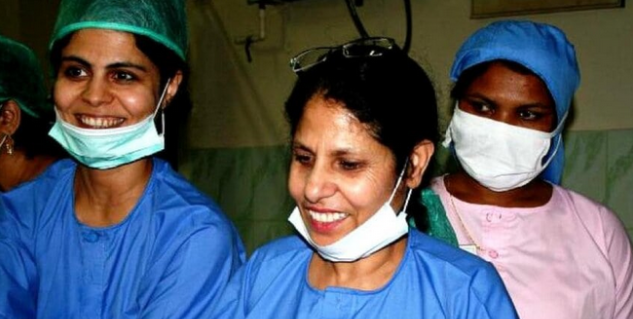
National University of Medical Sciences (A. Malik); Rawalpindi Institute of Cardiology (J. Malik); Foundation University Medical College (Ishaq)
"The importance of healthcare workers in being strong advocates for eliminating vaccine hesitancy among vulnerable populations has previously been recognized..."
Healthcare workers (HCWs) have a key role to play in educating the general public about the COVID-19 vaccine. However, there is evidence of vaccine hesitancy in HCWs resulting from lack of information regarding COVID-19 vaccines, lack of confidence in communicating information about vaccines to parents and concerned family members, lack of trust in government authorities providing the vaccine, and influence of social media on their decision-making process. In Pakistan, as elsewhere, HCWs, being a high-risk group, were prioritised for an early COVID-19 vaccination programme. Given the paucity of data regarding vaccine acceptance in the region among HCWs, the researchers conducted a survey across multiple healthcare facilities throughout Pakistan to measure the acceptance of COVID-19 vaccine and to enumerate the reasons underlying vaccine hesitancy among HCWs.
The study had a cross-sectional design, with data collection taking place from December 3 2020 to February 14 2021. An English questionnaire was distributed on social media platforms, with large coverage made available by the researchers' affiliate institutes in major cities of Pakistan. Snowball sampling was also encouraged for dissemination of the survey questionnaire in primary care and private hospitals.
To assess the acceptance of the COVID-19 vaccine, the respondents were provided with the brand name and effectiveness of the vaccine (CanSino Biologics, Tianjin, China; 65.7% effective in preventing symptomatic cases). Respondents were asked whether they would accept the vaccine or not.
Of 5,237 responses, 3,679 (70.2%) accepted COVID-19 vaccination, and 1,284 (24.5%) said they wanted to delay until more data were available. Only 5.2% of HCWs rejected being vaccinated. Breaking down the data:
- Acceptance rates of COVID-19 vaccination increased with increasing age. In the 18-30 age group, 64.6% of the respondents accepted the COVID-19 vaccine, which increased to 71.2% among 31-40 year-olds and 91.2% among 51-60 year-olds. (In those over 60 years of age, however, the number dropped to 74.4% accepting vaccination.)
- Other factors predictive of vaccine acceptance were female gender and single relationship status (e.g., with the female gender having a higher vaccine acceptance - 80.7%).
- A marked difference was seen in the vaccine acceptance among different ethnic groups. Pashtuns (85.2%) had the highest COVID-19 vaccine acceptance, while Balochis had the lowest acceptance rate (36.1%).
- Vaccine acceptance varied among various specialties in healthcare. HCWs with no direct patient contact had a high refusal rate (55.8%).
The reason for rejection among women surveyed was doubt about vaccine effectiveness (31.48%), whereas men who rejected the vaccine cited prior COVID-19 exposure (42.19%) and the side effect profile of the vaccine (33.17%). The latter reflects reduced risk perception among male HCWs, which is consistent among HCWs worldwide due to the limited data available about the severity of COVID-19 re-infection and long-term health impairment even after recovery from COVID-19.
In reflecting on the findings, the researchers note that, in contrast to Pakistan's difficult history in controlling polio due to vaccine reluctance in many of its endemic regions (e.g., the provinces of Khyber Pakhtunkhwa (KP) and Balochistan), the study results seem to indicate that COVID-19 vaccination did not elicit such hesitancy prior to mass COVID-19 vaccination efforts by the government. The variation in hesitancy by ethnicity in the present study showed a marked difference from previously performed studies in Pakistan, where KP has often been singled as being more vaccine resistant than the rest of the country due to various healthcare disparities that have worsened distrust of vaccines and HCWs in these regions.
Being a predominantly Muslim country, religion has often been a strong factor in rejecting vaccination in Pakistan, with many citing the contents of the vaccines to be non-compliant with Sharia law and therefore religiously unacceptable to them. These findings were also reflected in the present study, even among highly educated HCWs, particularly those who were female. However, public statements by major Islamic organisations have outlined that no such incompatibility exits.
Thus, this survey suggests that early on in the COVID-19 vaccination drive, the majority of the HCWs in Pakistan were willing to be vaccinated. The researchers suggest that "an overall positive response to vaccine acceptability is a positive sign towards attaining herd immunity worldwide." They conclude that "using the experience of HCWs as trusted sources of medical information...is needed to ensure the success of a national vaccination strategy...and increasing information and health communication from healthcare workers to the general population will decrease hesitancy towards COVID-19 vaccines."
PLoS ONE 16(9):e0257237. https://doi.org/10.1371/journal.pone.0257237. Image credit: USAID via Pixnio (Free to use CC0 license)
- Log in to post comments