











































Caregiver Perceptions of the Broader Societal Benefits of Vaccination: A Path toward Sustainable Vaccine Advocacy in India
Johns Hopkins Bloomberg School of Public Health (Dhaliwal, Shet); Bal Umang Drishya Sanstha (Rattani, Chandrashekhar, Seth); Harvard T.H. Chan School of Public Health (Bloom)
"Investigating the experiences and perspectives of caregivers qualitatively, particularly in settings with low vaccine uptake, provides a unique understanding of specific social values that caregivers associate with vaccination programs."
Growing public health evidence suggests that, in addition to health-related benefits, there are also social and economic benefits of vaccination. This study used qualitative research to understand how caregivers in Mewat District, Haryana, an area in India with low vaccination coverage, perceive these social and economic benefits, and whether these benefits factor into their vaccination decisions for their children.
Between September and November 2020, the researchers conducted in-depth interviews with 11 mothers, 1 father and 1 grandmother of children in the Ghasera village of Mewat. The themes that emerged include:
- Caregivers associate positive health outcomes with vaccination programmes, as well as some additional social and economic benefits: Most participants believed that vaccination prevents their children from contracting specific diseases, such as polio. Vaccination programmes in the community were also credited with improved community knowledge of diseases and the specific diseases vaccines prevent, with vaccinators who go door to door also offering general guidance on maintaining health. Participants also noted that their children are provided with education services at vaccination centres, learning counting and reading skills, receiving nutrition information, and developing essential social interaction skills with other children.
- Caregivers credit local advocacy and familial support as playing a role in their ability to decide to utilise vaccination programmes for children: For example, when other members of the community, such as neighbours and teachers, accept and encourage vaccination, others become more likely to take their children to receive vaccines.
- Caregivers perceive gaps in vaccination programmes that negatively impact their perceptions of vaccines and healthcare workers: In addition to logistical challenges, some participants said they feel vaccinators do not provide detailed information on the benefits of vaccination, instead expecting caregivers to simply vaccinate their child. Female participants felt that the responsibility of getting their child vaccinated, and caring for the child after they were vaccinated, rested with them.
The data point to the importance of designing effective communication strategies about vaccination programmes, identifying local advocates, and using context-specific language to communicate benefits to caregivers. Designing communication strategies with local champions may produce long-term advocates within the community who understand the importance of vaccination programmes and the full benefits of vaccines may enable the creation of effective advocacy strategies. Context-specific advocacy strategies could be leveraged to bring further social and economic benefits of vaccination programmes to the attention of caregivers. For example, as many residents in rural communities, such as Mewat, are daily wage earners, training local advocates to discuss long-term economic costs associated with missed vaccination may motivate uptake.
In conclusion: "Qualitatively exploring the perceived benefits provides a unique understanding of the value that caregivers assign to vaccination and complements existing knowledge on factors that dissuade caregivers from vaccination. These insights will allow researchers to better identify and design context-specific advocacy strategies to strengthen vaccination programs in communities with low vaccine uptake and acceptance."
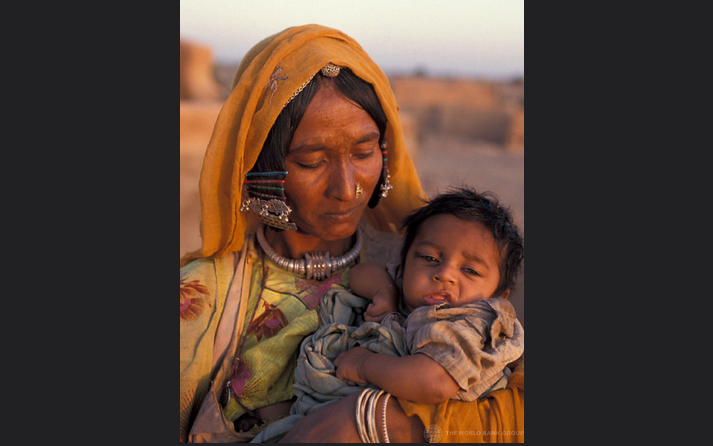
SSM - Qualitative Research in Health 2 (2022) 100156. https://doi.org/10.1016/j.ssmqr.2022.100156. Image credit: © Photo: World Bank / Curt Carnemark via Flickr (CC BY-NC-ND 2.0)
- Log in to post comments