











































Communicating with Communities during Conflict: "Mediated" Avenues to Inform Those in Need
University of New South Wales
"Communication at the grassroots level appears therefore to have been one of the missing pieces of the puzzle in humanitarian interventions, which has left communities' needs unmet during the response."
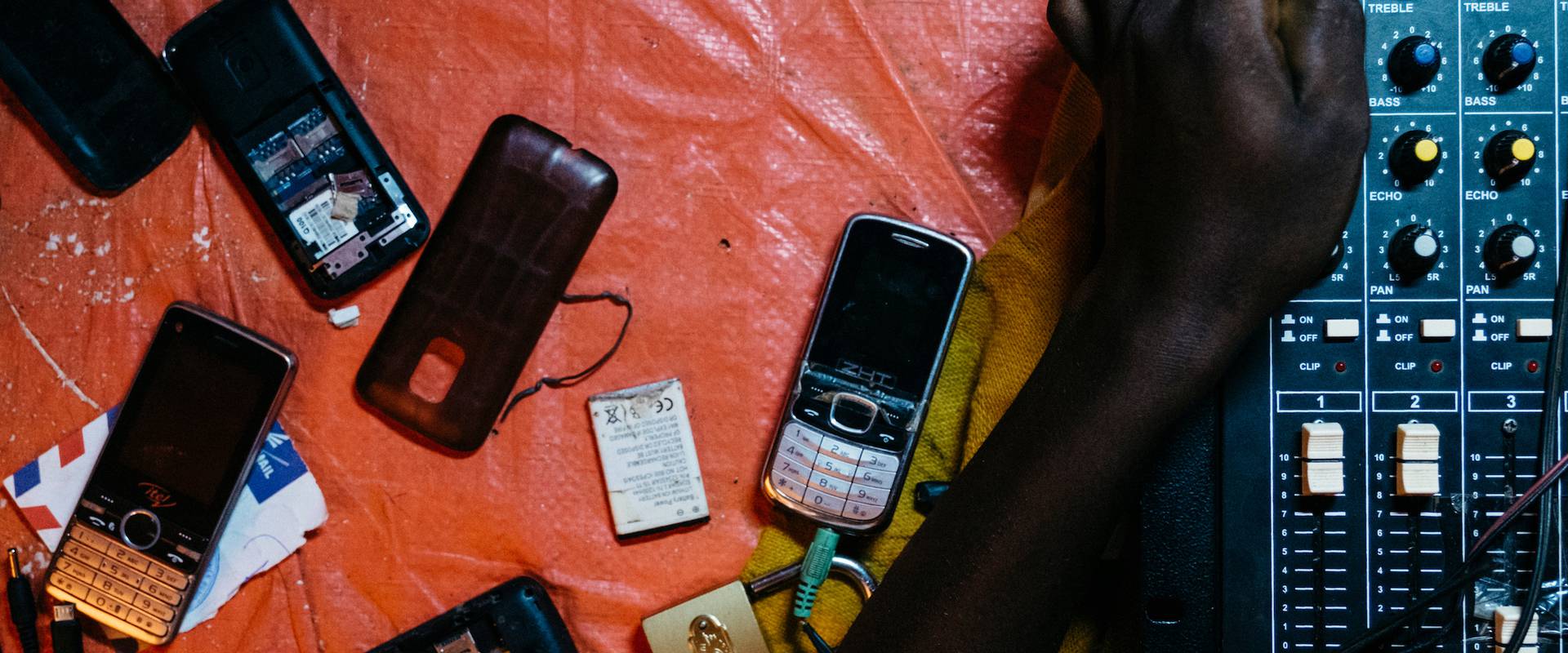
The literature on communication and information during and after emergencies, and in conflict and post-conflict environments, is wide. However, as Valentina Baú points out in this commentary, it focuses mostly on crisis-response strategies either from a media and communication studies perspective or from a disaster management perspective. What we need to do now, she suggests, is to start looking at things from the perspective of the broader humanitarian and development effort. Drawing on some of the existing literature (see, for instance, Related Summaries, below) and the experiences shared therein, Baú explains how humanitarian organisations and local communities are using the media and other channels to engage in two-way communication exchange. This matters because listening to the voices of those who are affected by crises is crucial in planning a response that is more relevant and tailored to what the real needs of communities are. "This approach, which is increasingly being adopted in humanitarian work, asks us to re-think 'communication' and to expand our view on what we regard as 'media'."
These ideas have given rise to the field of CwC, or Communicating with Communities. CwC is grounded in the recognition that, after having basic informational needs met, people become interested in identifying and reaching the agencies responsible for the delivery of aid. That type of interchange serves many purposes - among them: "preventing further conflict, as the element of communication provides the opportunity for participation and feedback that is needed to strengthen relationships, trust and dialogue."
One of the examples of this approach Baú provides is that of the work done by the CDAC (Communicating with Disaster Affected Communities) Network on capitalising indigenous knowledge in South Sudan to address raiding and violence in and around cattle camps. Ethnographic research techniques are used to uncover what peacebuilding, conflict prevention, or early warning techniques are employed by youth from selected cattle camps. Findings are then passed on to other communities' young members through peer-to-peer dialogue and interactive or narrative communication - for example, through storytelling and theatre. Moreover, scenario-based learning tools and media modules are developed as training and advocacy material for international organisations working in areas affected by this issue.
To the end of innovating the humanitarian field and its approaches to crisis response, the CDAC Network, ALNAP, and other collaborative research initiatives are also examining the role of social media and the creation of networks that overcome the limits of physical boundaries. According to Baú, "These ventures are vital to see the growth of CwC as a new humanitarian practice, embedded in both aid and development interventions, and to ensure that experiences are documented while lessons are being learnt."
In conclusion: "Ultimately, while a targeted use of an array of media and communication platforms is available and also critical in specific contexts, the complex political and social dynamics as well as the infrastructural challenges that characterise conflict-affected realities require deeper exploration of what truly works within the local environment. This is a task that both research and development organisations should tackle together in their future work."
Peace Insight website, August 1 2019; and email from Valentina Baú to The Communication Initiative on August 1 2019. Image credit: Peace Insight
- Log in to post comments