











































The Effect of Reproductive Health Communication Interventions on Age at Marriage and First Birth in Rural Bihar, India: A Retrospective Study
Pathfinder International/India
This paper describes the results of a post-programme retrospective survey of participants in an adolescent education programme implemented in rural Bihar, India. The Promoting Change in Reproductive Behavior: PRACHAR intervention aimed to increase age at marriage and first birth. The study comes from Pathfinder International/India.
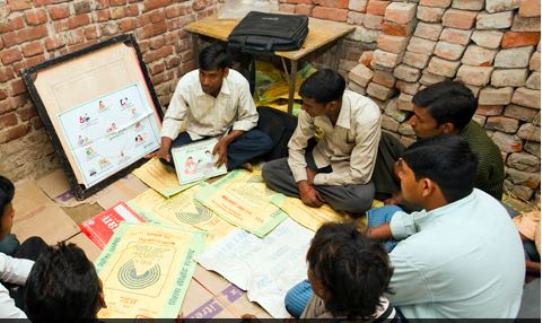
PRACHAR was designed to improve the reproductive behaviour of adolescents and young adults in India through family planning (FP). The programme used an intensive, broad-based community approach in an effort to reach a large proportion of the population in three districts of the state of Bihar and to change beliefs, attitudes, and practices among adolescents, young married couples, and parents and influential adult figures in these communities. Activities included street plays, adolescent training programmes, home visits, and group meetings. Pathfinder-trained Cultural Teams visited villages once every 6 weeks. These teams (formed through a rigorous application and training process) were charged with writing their own scripts for plays, songs, and puppet shows dramatising the hazards of early childbearing and promoting the advantages of FP and child spacing. The adolescent reproductive and sexual health (ARSH) education activity consisted of education sessions given 5 hours a day for 3 days for 7,451 girls and 16,136 boys between 15 and 19.
In 2008, about five years after the project interventions began, a random sample of 307 females and 306 males who participated in the ARSH education activity was interviewed to record their history of marriage, contraceptive use, and dates of birth of children. Similar data were also collected from 306 females and 306 males of comparable ages randomly selected from a comparison area. Life table techniques and proportional hazard and logistical regressions were used for data analysis.
Results from the survey show that the median age at marriage for females and for males was higher in the intervention group than in a comparison group - women were 44% less likely to be married at the time of the survey, and men were 26% less likely. Marriage rates also varied by caste for men. Likelihood of being married was not independently associated with caste among females, but men in more socio-economically advantaged castes were 48% less likely to be married at the time of the survey than men belonging to other castes or tribes.
The likelihood of having had a first birth at the time of the survey was lower in the intervention group than the comparison group. For women in the intervention group who married, the age of first birth was 23.1 years of age, 1.5 years higher than the comparison group. However, the interval between marriage and first birth was half as long in the intervention as in the comparison group. Overall, the women were 39% less likely to have had a first birth at the time of the survey than the women of the comparison group. Women were 5 times more likely and men 6 times more likely to use contraception after the first birth in the intervention group than the comparison group.
PRACHAR's long-term goal was to improve the health and welfare of young mothers and their children by changing traditional customs of early childbearing - specifically, by urging the delay of the first child until a woman is 21 years of age and the spacing of subsequent children by three to five years. The ultimate aim was to lower the maternal and infant mortality rates in Bihar's communities, and improve the survival and general health of mothers and children after later pregnancies.
The study concludes that culturally appropriate, community-based communication programmes that focus on unmarried adolescents and the people who influence their decisions can increase women’s age at marriage and age at first birth and contraceptive use among newly-married and low parity couples.
Pathfinder International website, October 28 2013.
- Log in to post comments