











































Gavi Guidance to Address Gender-Related Barriers to Maintain, Restore and Strengthen Immunisation in the Context of COVID-19
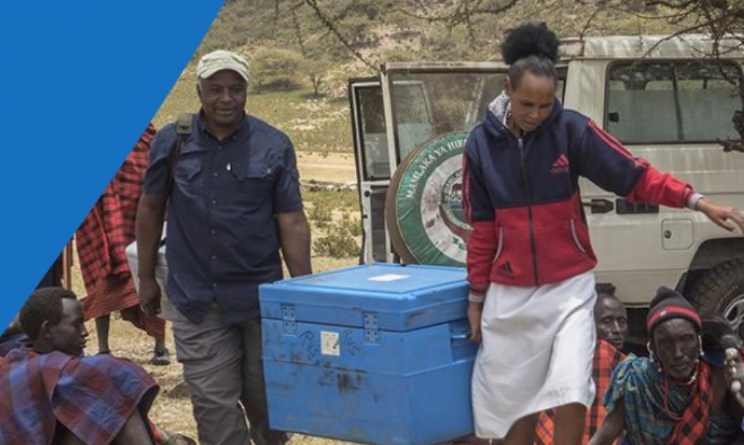
"Leaving no one behind with immunisation is Gavi's vision for 2021-2015. Services that are responsive to the needs of different gender identities will therefore result in zero-dose children, individuals, and communities receiving the full range of vaccines."
Gender-related barriers limit immunisation service demand, utilisation, coverage, and impact. These barriers, which create obstacles to equitable access and use of health services, are related to deep-rooted social and cultural norms about the roles of women, men, and those with diverse gender identities. Developed by the Demand, Communities and Gender team at Gavi, this guidance document focused on overcoming gender-related barriers to immunisation in the context of COVID-19 pandemic, which has further entrenched existing gender disparities and barriers, particularly at the household and community level.
The document outlines existing barriers, both for caregivers and for healthcare workers. It then explores how these barriers have been exacerbated by the pandemic. For example, in low-and- middle income countries (LMICs), 433 million women are unconnected to the internet, and 165 million fewer women own a mobile phone than men, meaning that women and girls may it more difficult to access up-to-date and correct information on the pandemic and vaccines. This limited access can increase the risks of the spread of fear, rumours, and misinformation about vaccines among women and girls, reducing their immunisation demand and uptake.
However, gender-responsive and transformative interventions have emerged during the pandemic. For instance, COVID-19 is providing opportunities for changing gender norms: Evidence shows that, although female caregivers are facing additional burdens, imposed lockdowns have led some men to become more involved in child care and have inspired more shared couple decision making. Traditional ideas of masculinity can impede positive health-seeking behaviours, so immunisation programmes can recognise the opportunity here for engagement of men and their role in their child's health care.
To support design and implementation of gender-transformative strategies, the document offers recommendations, tools, and country examples - with some links to additional details and resources. There are six major categories examined:
- Conduct a gender analysis as part of a broader analysis of barriers to immunisation.
- Draw on the expertise of local gender experts.
- Work with established women- and youth-led civil society organisations that are trusted by the communities to help incentivise demand and to identify and reach zero-dose children and missed communities.
- Implement transformative interventions to increase immunisation uptake.
- Support and protect frontline healthcare workers and community mobilisers - e.g., by including their perspectives to shape the response.
- Respond to adolescents' needs in immunisation rollout by linking vaccine programmes to sexual and reproductive health and rights (SRHR) and other health and non-health programmes, while ensuring youth-friendly services.
English; French
11
Gavi website and Gender & COVID-19 website, both accessed on October 26 2021.
- Log in to post comments