










































Issues Management Guide: To Support Countries in Preparing for Unexpected Situations with Implications for Public Communications
"Unpredictable, unexpected events happen - frequently they are marked by uncertainty, confusion and a sense of urgency. Such events can lead to lack of trust - in organizations, people or immunization services. Having a pre-prepared communications plan in place can help minimize the potentially negative impact of such events."
From the World Health Organization (WHO), this resource is intended to support countries in preparing a public communication strategy in anticipation of the introduction of inactivated polio vaccine (IPV) and oral poliovirus vaccine (OPV) withdrawal - changes that might result in unexpected situations. The context: Objective 2 of the Global Polio Eradication Initiative's (GPEI) Polio Eradication and Endgame Strategic Plan 2013-2018 (see Related Summaries, below) calls for the introduction of at least one dose of IPV into routine immunisation (RI) systems in 2015 in preparation for the phased removal of OPV in 2016. The resource is intended to help identify an unexpected situation, evaluate its potential impact, and develop proactive communications and social mobilisation activities to ensure that intended audiences are informed about IPV introduction, as well as strategies to minimise potential fallout (e.g. affecting confidence in immunisation in general or IPV specifically). This document identifies examples of scenarios that may require a rapid communication response, effective practices for adverse events following immunisation (AEFI) communications, and examples of standard operating procedures (SOPs) around potential reactive communications issues management.
Contents include:
- "Purpose of this document
- Introduction
- Rationale for OPV cessation and IPV introduction
- Determining whether to respond or communicate
- Best practices for developing a plan
- Developing key messages
- Standard procedures for reactive issues management
- Annex: Example of a reactive communication strategy"
WHO states that questions and feedback on this resource are welcome; see contact information, below.
12
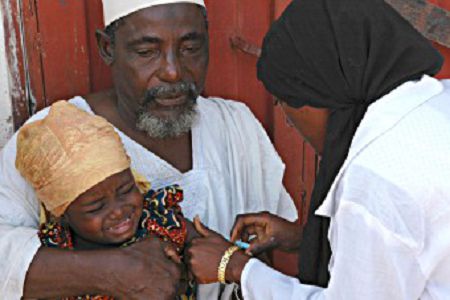
WHO Western Pacific Region's "Polio Endgame Toolkit", accessed December 9 2014. Image credit: Gavi, the Vaccine Alliance
- Log in to post comments