










































Linking Policy with Technology: Role of Mobile Communications Technology in Polio Eradication Initiative in Northern Nigeria
"Findings show that communication strategies in northern Nigeria have helped to improve vaccination coverage, by mobilizing religious and cultural leaders, improving political will, individual and community-level demand, increasing knowledge and reaching out to the poorest and marginalized population."
This literature review examines the factors that influence the polio eradication initiative (PEI) in northern Nigeria and ongoing communication interventions in this polio-endemic country. It also examines the role of mobile telecommunications in health in developing countries, including northern Nigeria. It points to the need to strengthen current communication strategies - including approaches that make use of mobile phones - at the community and individual levels in order to sustain demand for the oral polio vaccine (OPV) in underserved communities.
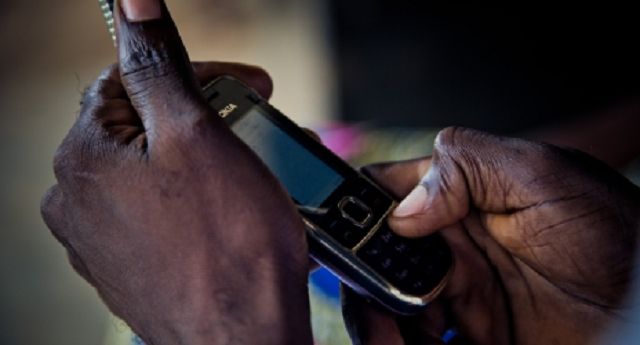
As the chapters in the thesis demonstrate, analysis of mobile communication in developing countries, including Nigeria, revealed that there is rapid penetration of the technology, even in hard-to-reach areas. Mobile communication devices are, as reported here, widely accepted communication tools in northern Nigeria, cutting across political, religious, cultural, social, economic, and gender divides. The author explores different uses of this technology and various possible ways that it could be woven into strategies to support polio eradication in Nigeria. For example, SMS (text messaging) could be used in a passive (one-way) approach to educate parents and caregivers about polio and remind them of upcoming immunisation days, as well as actively (interactively) by providing a platform for addressing questions related to polio vaccines on demand. Further, with MMS (multimedia messaging service) capability in some mobile phones, pictures and posters can be sent directly, even in local languages, to parents and caregivers who are illiterate and cannot read text messages - for instance, alerting people to an upcoming OPV campaign. Amongst the other options explored: a pre-recorded voicemail message (which could be a personalised message from a political, traditional, or religious leader) could be sent directly to parents and caretakers to help address rumours about polio immunisation and to send reminders.
However, as noted here, there are very few pilot programmes and literature linking mobile telephone to health in northern Nigeria. One of the author's suggestions is that organisations working on polio eradication in northern Nigeria partner with network providers and other relevant organisations in order to explore beneficial strategies. For example, the Labarinku A Tafinku (Your News in Your Palms) initiative, pioneered by the BBC team, has worked to empower six villages in northern Nigeria with mobile phone devices so they can send in reports and pictures about their communities (BBC, 2010). The author believes that this could serve as a model or platform for communication of polio eradication messages.
This thesis concludes that mobile technology has the potential to strengthen polio eradication communication efforts in Nigeria. While not suggesting replacement of present communication strategies, the author asserts the need for research-driven, strategic, and integrated communication efforts in the fight to eradicate polio from northern Nigeria. However, available evidence linking the technology to health and disease prevention is still anecdotal and limited. The author hopes that findings from this study will provide perspectives for the Nigerian government and organisations involved in polio eradication to work in partnership with mobile telecommunication providers in order to research innovative application of mobile communications technology in polio eradication and to explore future collaborations.
Search4Dev, July 18 2012. Image credit: International Federation of Red Cross and Red Crescent Societies (IFRC)