










































Standard Operating Procedures for Responding to a Poliovirus Event or Outbreak, Version 4
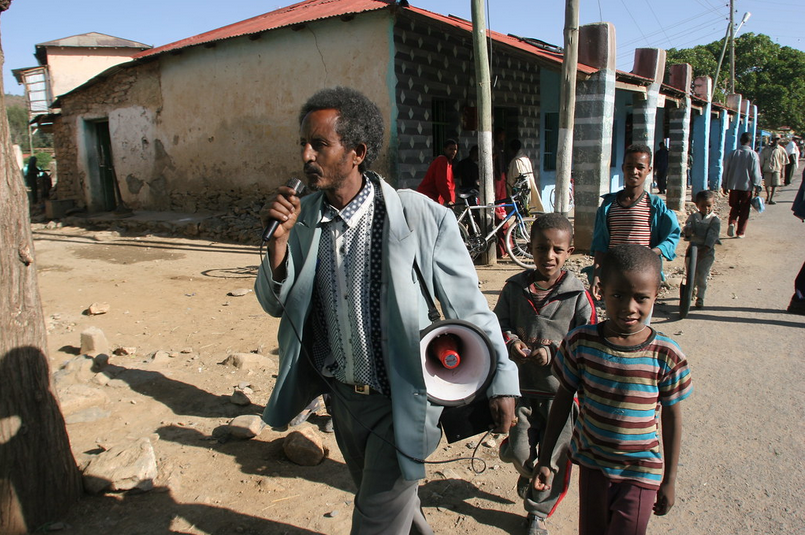
"Community engagement, social and behavior change (SBC) are critical components of polio outbreak response."
Since the withdrawal of oral polio vaccine type 2 (OPV2) from routine immunisation in 2016, there has been a global increase in vaccine-derived poliovirus type 2 (VDPV2). The purpose of these standard operating procedures (SOPs) from the Global Polio Eradication Initiative (GPEI) is to offer guidance to any country that detects any type of poliovirus outbreak or event, to respond in a timely and effective manner, with the specific objective to stop polio outbreaks within 120 days. This version of the SOPs builds on the prior versions developed since 2015 and takes into account the key developments, lessons learned, and availability of new tools since the publishing of the last version in March 2020 (see Related Summaries, below).
The 2022-2026 Polio Eradication Strategy commits to an integrated approach to programme implementation that enables countries to leverage existing polio programme assets and serve the health needs of vulnerable communities. In line with the GPEI strategy, this version of the SOPs recommends making routine immunisation (RI) coverage improvement an essential component of the overall outbreak response planning and implementation processes. Also, chapters on gender mainstreaming and Prevention and Response to Sexual Exploitation, Abuse and Harassment (PRSEAH) have been included. Moreover, gender-related aspects have been included in all the components of outbreak response.
The SOPs provide general guidance on continued adaptation to the ever-evolving COVID-19 pandemic. The GPEI continues close coordination with national and local COVID-19 response management mechanisms while planning and implementing polio supplementary immunisation activities (SIAs), with special focus on putting in place infection prevention and control (IPC) measures, community mobilisation, and mitigation to rumours and misinformation, in order to achieve uniformly high-quality vaccination coverage.
Chapter 8 of the SOPs focuses on communication for development (C4D), which is a systematic, planned and evidence-informed strategy to promote positive and measurable behaviour and social change. The polio C4D outbreak response approach is designed to redress perceptions and social norms that deter caregivers from vaccinating their children and to rebuild commitment to vaccination, including RI. Outbreak response communication, including C4D and emergency risk communication, is initiated as soon as an outbreak is declared and should be integrated in all aspects of planning and responding to an outbreak or high-risk event. Critical C4D steps in an outbreak, which should be guided by data on knowledge, attitudes, practices, behaviour, and norms that may affect vaccination, include:
- raising awareness of campaign dates;
- strengthening community confidence in vaccination through building health worker capacity and trust in vaccine safety and efficacy;
- elevating perception of polio risk to children, families, and communities;
- addressing bottlenecks in and barriers to the decision to vaccinate; and
- incorporating infodemic management, as well as anticipatory and real-time strategies to counter dis-and misinformation.
(See the SOPs for the full strategic C4D framework for polio outbreak response.)
Risk communication considerations during outbreak response include:
- political advocacy to garner the attention and resources needed to support response efforts and strengthen public trust in vaccination;
- news media engagement to ensure that information is clear, timely, and reaching affected populations and key stakeholders;
- digital and social media for targeted outreach to a large audience, especially where interpersonal communication networks are weaker and to counter rumours and misinformation quickly;
- stakeholder and influencer engagement to empower religious and community leaders, healthcare providers, parliamentarians, women's and youth groups, and other groups to positively influence decision making toward a desired behaviour, including vaccination; and
- trained workers at the forefront and community mobilisers, with the latter preferably selected from the actual communities. "[E]fforts should be made to ensure the equal and meaningful participation of women in all social mobilization and outreach activities. Community influencers/groups should be consulted and engaged in the planning phase of the campaign with continuation through to the end of the outbreak. These influencers can be a clan leader, mayor, grandmother, school teacher, or a community elder....The use of non-traditional means such as mobile texting, awareness around water points, days when a population moves from one place to the other, printing messages about polio on food bags, or inserting messages in bread packages and other innovations, may augment standard communication strategies."
96
GPEI website, June 8 2022. Image credit: ©UNICEF Ethiopia/2005/Heger via Flickr (CC BY-NC-ND 2.0
- Log in to post comments