










































1 minute
Standard Operating Procedures (SOPs) for Identifying and Vaccinating Chronically Missed Children
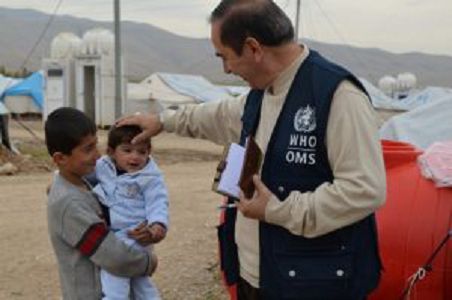
These Standard Operating Procedures (SOPs) from the Global Polio Eradication Initiative (GPEI) address the problem of chronically missed children (CMC), who are widely discussed in polio eradication initiatives. It has been found that especially in the polio-endemic countries (Afghanistan, Nigeria, and Pakistan), poliovirus transmission is maintained because of no or very low immunity among a clusters of susceptible children. Very often these children are found to be missed during the polio Supplementary Immunisation Activities (SIAs) for various reasons. In order to stop transmission of polioviruses for a longer period or permanently, it is crucial to identify these missed children and bring them within the reach of the entirety of polio eradication activities.
After defining CMCs, the SOPs explore topics of identification of CMC, characterisation, micro-planning, plan and implementation of vaccination strategy, social mobilisation, supervision and monitoring, evaluation/assessment, and review. On social mobilisation: "Strategic social mobilization activities should be planned and implemented starting from pre-campaign to the end of SIAs based on the characterization of the chronically missed children." These activities might be implemented, for example, in communities that have low trust on polio vaccination programme, commonly known as refusals or non-compliance communities.
6
Image credit: GPEI
- Log in to post comments