











































The Use and Significance of Vaccination Cards
University of Michigan
"[I]t seems reasonable to promote vaccination card retention as one mechanism to increase uptake of vaccines."
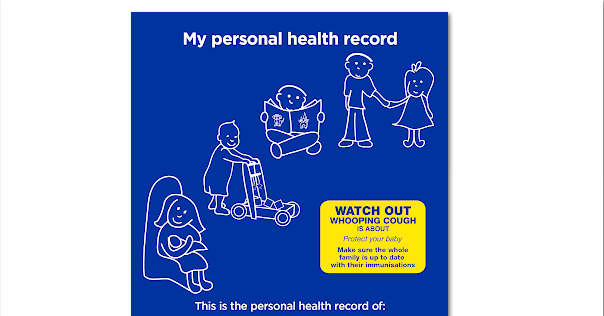
Many countries in the world use vaccination cards, which are health records that provide parents, vaccination providers, and public health researchers with information about vaccination dates and dosage. Often given to parents when they bring their child in for the first vaccination after birth, the cards take many forms - from a single- or double-sided index card to a foldable leaflet to a vaccination booklet. In this commentary, Abram L. Wagner provides recommendations about how vaccination cards should be used and comments on their continued relevance in an era with increased use of electronic registries.
Wagner explains his belief that vaccination cards are a tangible benefit, even as more and more providers are switching to electronic medical records. For example, families crossing borders or even just attending new clinics can show vaccination cards to a new vaccination provider, who may not yet have electronic access to their past vaccination history. And although immunisation information systems may be available throughout the world in the future, they currently are not operational in many locations, and researchers wanting to understand how to best reach individuals with low vaccination status would first need to do a cross-sectional survey using data from vaccination cards.
Despite the utility of these printed cards, many families lose them; among the top 10 countries with the most unvaccinated children, Wagner reports, the proportion of families who were able to find their vaccination cards and give them to researchers is low, ranging from 20.7% in the Democratic Republic of the Congo to 69.2% in South Africa. Moreover, Wagner cites research indicating that, across low- and middle-income countries (LMICs), a lack of a vaccination card has been associated with non-vaccination and under-vaccination. Some families report that not having a vaccination card during a vaccination visit resulted in them being unable to obtain a vaccine (8% in one study in Ethiopia and 16% in one study in Bangladesh). Wagner advises that vaccination providers refrain from refusing vaccination to those without a card: Increased funding for primary health care and vaccination services in many LMICs could alleviate concerns about vaccine wastage, he suggests.
Furthermore, Wagner contends that, as they currently are structured, many vaccination cards are difficult to read by non-experts, like parents, and even by healthcare providers. He offers some suggestions. In a situation where bureaucracy or lack of training prevents the change of these cards, Wagner envisions a coverslip that would be designed to convey some minimal but important information to parents: where and when to get vaccinated and perhaps a simplified diagram of what diseases their child is protected against. This coverslip could also enhance the durability of the vaccination card but would not require additional training for vaccination providers. Wagner notes that, if vaccination cards are re-designed, they should include more space for new vaccines to be added in the future, because the World Health Organization (WHO)'s list of vaccines on the Expanded Program on Immunization (EPI) has been increasing.
Human Vaccines & Immunotherapeutics, Volume 15, Issue 12, Pages 2844-46. https://doi.org/10.1080/21645515.2019.1625647. Image credit: Home-based Record Repository
- Log in to post comments