










































VARN2022: Shaping Global Vaccine Acceptance with Localized Knowledge
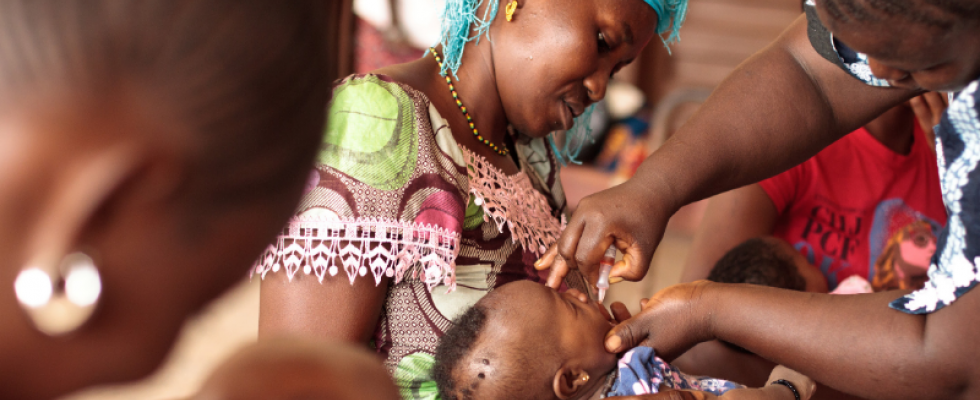
"...VARN responds to the critical need, now more than ever, to foster social and behavioral science research collaborations and action-oriented solutions for vaccination success."
Making vaccines more accessible, enabling innovation, and expanding immunisation across the globe, particularly in low- and middle-income countries (LMICs), is the mission of the Sabin Vaccine Institute. This report present the findings and insights stemming from Sabin's inaugural Vaccination Acceptance Research Network (VARN) conference, March 1-3 2022. The virtual gathering, which was open to the public, promoted collaborative exploration of research results from around the globe and shared and discussed key priorities and opportunities emerging across the ecosystem of vaccination programmes, policies, and practice.
VARN2022 brought together over 750 global experts as registered attendees across 76 countries. Participants represented diverse disciplines including global health and policy, research and academia, and healthcare and health communications. The conference report is a synthesis of the contributions made by over 50 presenters sharing evidence from interventions designed to further understand and break down barriers to vaccine acceptance and demand in over 40 countries. Along with presentations of global, regional and local-level vaccine acceptance knowledge, the conference included the establishment of VARN technical working groups (TWGs). The aim is for these TWG engagements to be participant-shaped and driven.
The various presentations and discussions centred around four key themes:
- Understanding vaccine hesitancy and its drivers
- One size does not fit all: Community- and context-specific approaches to increase vaccine acceptance
- Fighting the infodemic and harnessing social media for good
- Frameworks, data integrity, and evaluation of best practices
As depicted in the figure below, the report features a detailed review of the 14 associated lessons that emerged from panel discussions, TWGs, and research presentations and posters. 
As the title of the event suggests, a key focus was on amplifying localised vaccine knowledge and innovation in support of increased vaccine uptake around the world. Sabin explains that communities have diverse and unique characteristics that require specific solutions to reduce the barriers they face around vaccine acceptance and access. To understand the root causes of low vaccination within communities, one needs to gain access to the population and fully understand and appreciate the sociocultural factors influencing vaccine acceptance. Community-based participatory approaches allow for the co-design and evaluation of research data collection methods and the subsequent interventions between an (often external) research/implementation partner and key community members. In this context, empowering local community leaders and stakeholders through capacity-building efforts is powerful, as it gives the community the tools and knowledge to continue projects once original external stakeholders disengage.
Presenters shared learnings from work with diverse communities and discussed existing community-based initiatives, strategies, and tools for designing and implementing community-centric and/or community-based participatory approaches (e.g., community guidance via the creation of Community Accountability Boards [CABs]) for increasing vaccination acceptance and uptake in a variety of community settings. Among the examples presented is a community theatre for immunisation (CT4I) intervention that was undertaken in the Niger Delta region of Nigeria, which "demonstrates that caregivers will demand vaccination services as a right if they are engaged through a human-centered process of trust building, education and social support."
The support and momentum for VARN's knowledge-sharing event underscored the importance of collectively advancing the understanding of vaccine acceptance and demand through the collaborative efforts of researchers, implementers, and communities. The conference incorporated a wide spectrum of perspectives, which also enabled the sharing of multi-sectoral and transdisciplinary tools, data, system resources, and connections that organisations and individuals can leverage to generate confidence, acceptance, and demand related to vaccination.
Sabin's hope is that VARN will provide a forum to stimulate discussions, drive collaborations, and highlight key priorities for investment that can positively impact vaccine acceptance and demand and vaccination uptake around the world. Visit the conference platform for session recordings (in English, Arabic, French, Portuguese, and Spanish) and other resources. Sabin anticipates future meetings and activities through VARN with members and local, regional, and global stakeholders.
Vaccine Acceptance & Demand website, June 22 2022. Image credit: Olivier Asselin
- Log in to post comments