










































Social Media as an Effective Provider of Quality-Assured and Accurate Information to Increase Vaccine Rates: Systematic Review
The Arctic University of Norway (Hansen, Baiju); Østfold University College (Gabarron); Norwegian Centre for E-health Research (Gabarron)
"This review underscores the substantial and untapped potential associated with using social media as a communication channel for health issues."
As of 2023, 61% of the world's population were utilising some form of social media, and the popularity of these platforms continues to grow. Numerous studies have explored how social media contributes to increased vaccine resistance. However, there is a need for more knowledge on how social media can be optimally utilised to enhance vaccination rates in a population. This study aims to investigate the potential use of social media to increase vaccine uptake, assessing its scalability and robustness in delivering accurate and reliable information to individuals who are contemplating vaccination decisions for themselves or on behalf of their children.
The reporting of the systematic review was conducted in accordance with the PRISMA (Preferred Reporting Items for Systematic Reviews and Meta-Analyses) guidelines. Comprehensive searches were conducted in databases including MEDLINE, Embase, PsycINFO, CINAHL (Cumulative Index to Nursing and Allied Health), CENTRAL (Cochrane Central Register of Controlled Trials), and Google Scholar. Only randomised controlled trials (RCTs) were deemed eligible for inclusion in this study.
Ultimately, the result of screenings resulted in the inclusion of 12 articles in this systematic review. Notably, 3 of these articles originated from the same protocol and were considered as 1 study. The studies included in this review span from 2012 to 2022; a total of 26,286 individuals participated in the studies included in this review. The studies involved platforms such as Facebook, Twitter, WhatsApp, and non-general-purpose social media.
The defined interventions comprise platforms facilitating 2-way communication for sharing information. These interventions were compared against traditional interventions and teaching methods, referred to as the control group. The outcomes assessed in the included studies encompassed days unvaccinated, vaccine acceptance, and the uptake of vaccines compared with baseline. The studies underwent a risk-of-bias assessment utilising the Cochrane Risk-of-Bias tool for RCTs, and the certainty of evidence was evaluated using the GRADE (Grading of Recommendations Assessment, Development, and Evaluation) assessment.
The outcomes examined in these studies focused on the uptake of vaccines compared with baseline, vaccine acceptance, and the number of days individuals remained unvaccinated. The effect direction plot derived from articles of good and fair quality indicated a nonsignificant outcome (P=.12). That is, in a real-world scenario, an equal number of positive and negative results may be expected due to the interventions' impact on the acceptance and uptake of vaccines.
Nevertheless, the authors argue, there is a rationale for accumulating experience to optimise the use of social media with the aim of enhancing vaccination rates. Social media can serve as a tool with the potential to disseminate information and boost vaccination rates within a population. For instance, in the present review, 3 studies underscored the importance of active involvement from healthcare personnel in settings where health issues are communicated via social media platforms. It appears to be of great importance that health professionals, assuming roles such as informants, moderators, and effective discussion partners, play a role in ensuring responsible and accurate information dissemination on social media platforms.
As noted here, when creating a social media intervention, establishing trust between the intended population and the authorities and healthcare personnel is crucial. In addition, several other factors merit consideration: providing information on both risks and benefits, acknowledging the concerns of the audience, avoiding scientific jargon, being transparent about funding sources, referencing all sources of health information, and providing quick responses and tailored, personalised information. Even if these factors are taken into account, relying solely on social media is not sufficient, given the complex structures at play in vaccine acceptance. Vaccine hesitancy encompasses multifaceted considerations, including religious beliefs, safety concerns, low confidence in governments, and a range of other factors. Recognising this diversity of perspectives is crucial when formulating effective strategies to address and mitigate vaccine hesitancy within communities.
In discussing the review's limitations, the researches note that the distribution of the studied population is skewed, with a notable focus on women in a large portion of the studies. It is conceivable that a more balanced gender distribution might have yielded different results in some of the studies. Understanding whether there are differences in the way messages should be adapted to different gender categories could provide valuable insights.
The researchers conclude that "social media has the potential to reach a wide audience rapidly and in a cost-effective manner. Social media, when used as a supplementary promotional channel, can serve as an instrument for transmitting information that has the potential to increase vaccination rates in a population. However, the effectiveness of these tools relies on authorized personnel closely monitoring and moderating discussions."
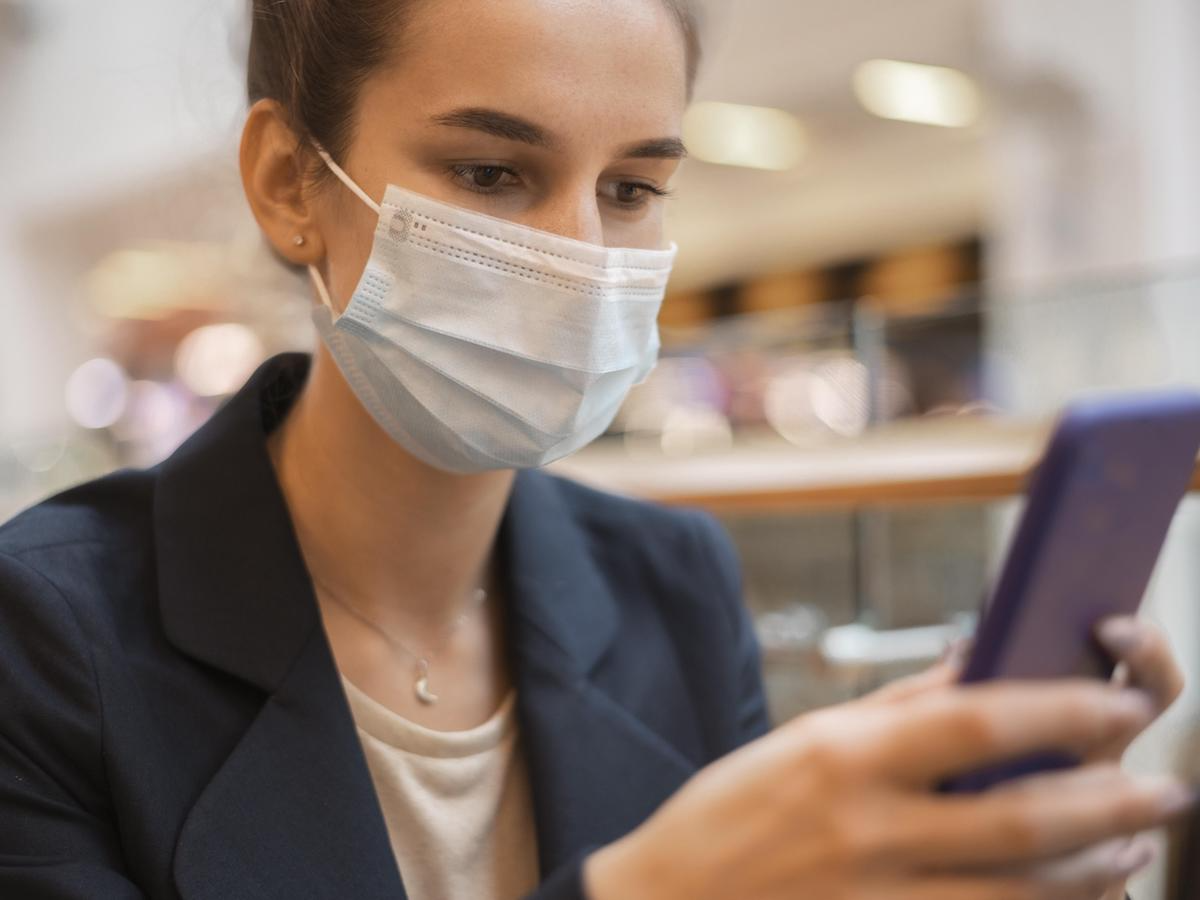
Journal of Medical Internet Research 2023 | vol. 25 | e50276. Image credit: Freepik
- Log in to post comments