










































Big Data: How We Communicate Vaccine Matters
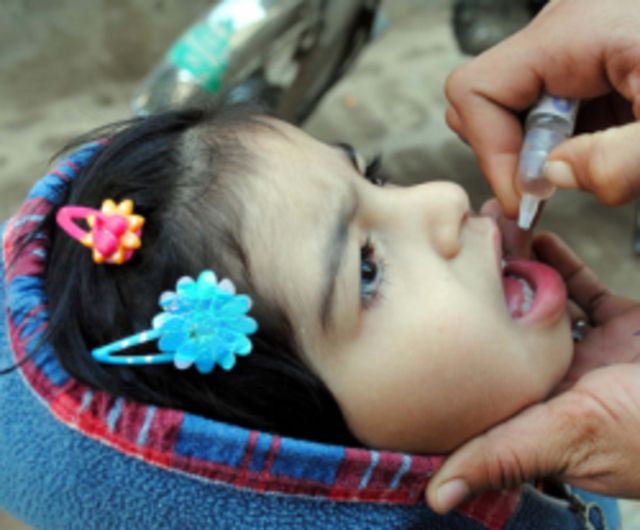
"Effectively communicating information about vaccine and shifting the negative perception rely on a precise understanding of the socioeconomic landscape from region to region and targeted strategies that tackle unique challenges."
This post describes one strategy for addressing resistance to vaccines such as the polio vaccine: cultivating "big data". Noting that lack of understanding of vaccine is a challenge that both developing and developed countries are facing, Steven Shie points out that scientific data alone cannot address the public's concerns with vaccine, as these concerns are often deeply rooted in culture, history, and political systems. (Shie cites the killing in June 2013 by extremists in Pakistan of two polio vaccine volunteers). Thus, what is needed is not just scientific evidence of the contribution that immunisation makes to public health but, beyond that, comprehensive data that capture trends on a global level as well as social, economic, and political context for each region in order to gain understanding and insights that can help public health professionals and healthcare communicators develop more effective communication strategy and tactics to enhance the public's confidence in vaccine.
One of the studies Shie cites is "Measuring Vaccine Confidence: Analysis of Data Obtained by a Media Surveillance System Used to Analyse Public Concerns about Vaccines" (available by purchase only; see Source section below for citation). Following preliminary research by the London School of Hygiene and Tropical Medicine's HealthMap automated data collection system, adapted to monitor online reports about vaccines, vaccination programmes, and vaccine-preventable diseases. Researchers manually analysed 10,380 reports from 144 countries for content and categorised them by concerns, vaccine, disease, location, and source of report, and overall positive or negative sentiment towards vaccines. They were then given a priority level depending on the seriousness of the reported event and time of event occurrence. 7,171 (69%) contained positive or neutral content, and 3,209 (31%) contained negative content. Of the negative reports: 1,977 (24%) were associated with impacts on vaccine programmes and disease outbreaks; 1,726 (21%) with beliefs, awareness, and perceptions; 1,371 (16%) with vaccine safety; and 1,336 (16%) with vaccine delivery programmes. The researchers were able to disaggregate the data by country and vaccine type and monitor evolution of events over time and location in specific regions where vaccine concerns were high. They conclude that "[r]eal-time monitoring and analysis of vaccine concerns over time and location could help immunisation programmes to tailor more effective and timely strategies to address specific public concerns."
Shie concludes his piece by noting that "[a]s digital and social media reshape the media landscape, real-time media surveillance data can detect early signs of concerns before they reach a large audience."
HealthWorks Collective, accessed August 1 2013; "Measuring Vaccine Confidence: Analysis of Data Obtained by a Media Surveillance System Used to Analyse Public Concerns about Vaccines", by Dr. Heidi J Larson PhD, David M.D. Smith DPhil, Pauline Paterson PhD, Melissa Cumming MS, Elisabeth Eckersberger MPA, Clark C Freifeld MS, Isaac Ghinai BSc, Caitlin Jarrett MPH, Louisa Paushter MPH, John S Brownstein PhD, Prof Lawrence C Madoff MD, The Lancet Infectious Diseases, Volume 13, Issue 7, Pages 606-613, July 2013; and Vaccine Confidence Project website, August 1 2013.
- Log in to post comments