










































Designing for Behavior Change: A Practical Field Guide
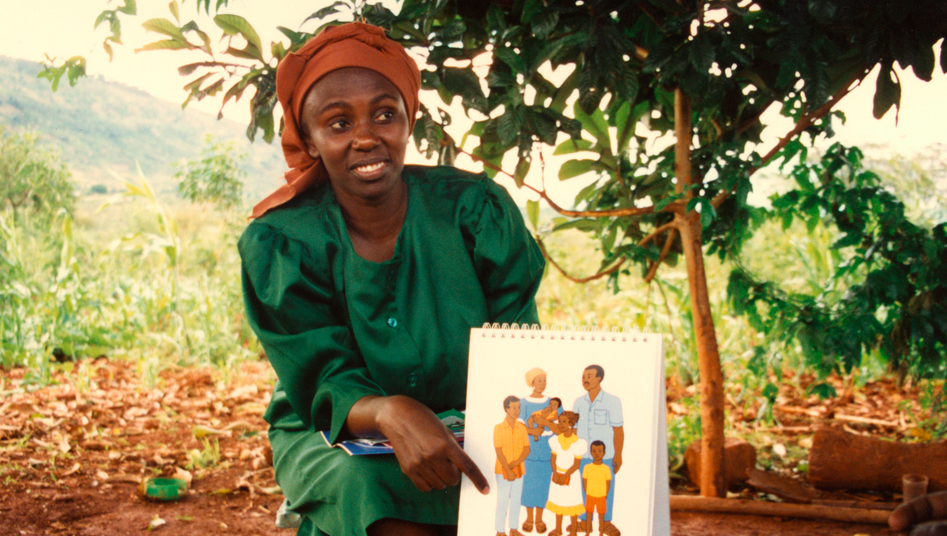
This manual is a condensed reference guide on the Designing for Behavior Change (DBC) approach used by The Technical and Operational Performance Support (TOPS) Program, a United States Agency for International Development (USAID)/Food For Peace (FFP)-funded programme seeking to build the capacity of FFP grantees and other food security and nutrition implementers. The guide is primarily intended for use by those who have been or are being trained in the DBC approach.
The DBC approach was developed to help designers think more critically when developing and reviewing a behaviour change strategy. The approach involves the use of a framework to better understand how to integrate the approach into programming. "The DBC framework is a relatively easy-to-use tool that helps project designers and implementers to design (redesign or modify) an evidence-based behavior change strategy or intervention so that it is more effective in prompting beneficiaries to adopt a new behavior. It does this by identifying, through simple formative research, which determinants of behavior change are blocking or enabling the practice of the behavior, and then planning a strategy that addresses those barriers and motivators."
There are five principles of DBC:
- Action/Behaviour is what counts (not beliefs or knowledge).
- Know exactly who your priority group is and look at everything from their point of view.
- People take action when it benefits them; barriers keep people from acting.
- Activities should reference the important benefits and minimise the most significant barriers.
- Base all decisions on evidence, not conjecture, and keep checking.
The guide outlines each step in the DBC process, with additional examples and resources in the Annexes. The steps and annexes are as follows:
Step 1: Define the Behavior
Step 2: Select the Priority Groups
Step 3: Conduct Barrier Analysis
Steps 4, 5, and 6: Interpret and Apply the Results-Barrier Analysis
Step 7: Identify the Influencing Group(s)
Step 8: Write the Bridges to Activities
Step 9: Choose Activities that Address the Bridges to Activities
Step 10: Establish Indicators to Monitor Effectiveness of the BC Strategy
Step 11: Complete the Behavior Change Strategy Implementation Plan
Step 12: If Necessary, Develop a Communication Plan
Appendix 1: Key Terms
Appendix 2: Blank DBC Framework
Appendix 3: How to Choose Behaviors to Study
Appendix 4: Tabulating Barrier Analysis Responses by Computer
Appendix 5: Blank Barrier Analysis Coding Sheets
Appendix 6: Examples of Activities
Appendix 7: Monitoring Indicators for the Behavior Change Strategy
Appendix 8: Designing for Behavior Change Resources
It is recommended that users of this guide also familiarise themselves with the Designing for Behavior Change: For Agriculture, Natural Resource Management, and Gender manual (see Related Summaries below).
English
40
Food Security and Nutrition Network (FSN) website on March 8 2017.
- Log in to post comments