










































Gender-Intentional Digital Health Intervention & Enablers: A Rapid Guide for Analysis, Planning, and Monitoring
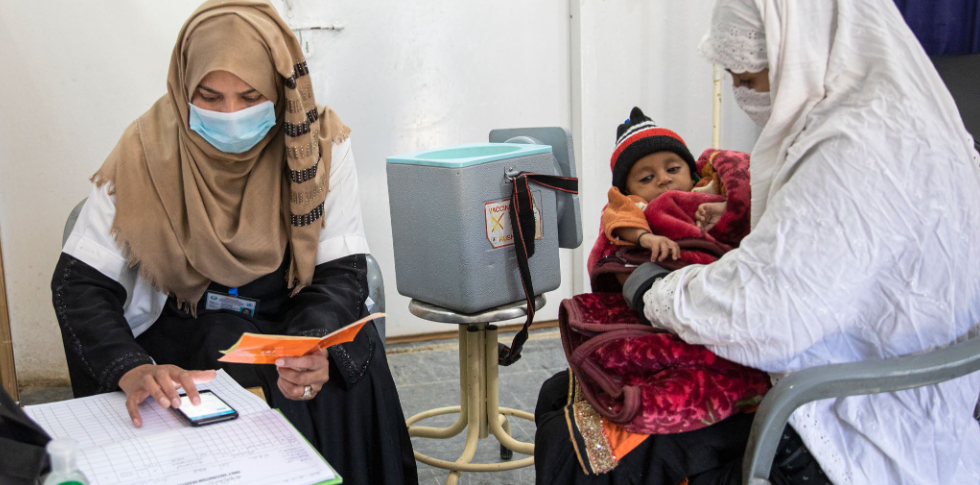
"The exercises and templates in this guide can be used to start the journey to understanding how gender affects digital health programming. It is through these actions and intentional efforts that digital health interventions can contribute towards greater equity, inclusion, diversity, and accessibility for all."
In many cultures, women and gender minorities face challenges accessing health services and information technologies, as compared to men. Gender dynamics and resulting imbalance of power can compromise the success of a digital health intervention. This practical guide is designed to operationalise Gavi, the Vaccine Alliance's Digital Health Information Strategy, which includes "gender-intentional" in the vision and prioritisation of gender-related activities that can support scale and impact by overcoming negative gender biases, gender dynamics, and the effects of the gender digital divide on digital health interventions.
The process, guidance, and recommendations covered here are relevant to low- and middle-income country (LMIC) national health programmes seeking to create more equitable and effective digital health interventions and enabling environments. It draws on work over the past 20 years related to gender in health and gender in technology and applies them to the specific intersection of gender and digital health. More background on the specific application to immunisation is provided in the Gender and Digital Health Information for Immunisation Briefing Document that is part of the series available at Related Summaries, below.
This resource provides a brief overview of targeted activities, questions, and templates to guide stakeholder prioritisation in 3 phases: (i) analysis, (ii) planning, and (iii) monitoring. It offers a visual framework for the digital health intervention and enabler cycle, which provides a systematic pathway through which gender representation and meaningful engagement of various stakeholders can contribute to increased access and use of digital tools and data by female and gender-minority caregivers and health workers, improved gender dynamics in the health workforce and home, and gender-intentional policy environment and interventions.
The guide is structured according to the following 5 steps to close the gender digital divide in global health:
- Key stakeholder representation & engagement: Relevant stakeholder groups should conduct and be represented in the analysis and planning process. The guide includes a matrix that can be used to determine who should be involved, enabling a systematic way to understand gender representation as well as age, geographic location, education, and ethnicity of stakeholder groups.
- Gender digital divide desk review: By conducting such a review, researchers can better understand the intersectional gender digital divide in the community, intended population, and institutions involved in the programme. By gathering basic considerations and metrics in the analysis phase, it is also possible to set a baseline that will make it easier and more straightforward to monitor and measure progress. Some sources of information for gender-related health and technology statistics, analyses, and country case studies include the World Bank, World Health Organization (WHO), International Telecommunications Union (ITU), and the GSMA.
- Formative research and planning: The use of well-structured qualitative research methods such as key informant interviews and focus group discussions alongside more targeted quantitative surveys lends itself well to understanding some of the potential gender-related enablers and barriers to planned digital health interventions and enablers. A checklist is included in the guide to answer some key questions at the start of formative research. In addition to gender, consider other relevant characteristics of participants/ representatives such as rural/urban, socioeconomic status, age, profession, and disability.
- Participatory design and iterative implementation: Having gathered, through formative research (step 4) the foundational information from within the local context, researchers can foster inclusivity and equity in the design process. A checklist and questions within the guide provide a high-level assessment and opportunity for collaborative activity planning to increase gender considerations in design and implementation.
- Identification of indicators to measure progress: To increase accountability for gender-related activity implementation, it is important to include metrics for success to measure progress. A list of sample indicators that can be adapted for use depending on the digital health intervention, enabler, or ecosystem that is striving to be more gender-intentional is provided in the guide.
In addition to worksheets, checklists, and example indicators interspersed throughout the document, closing sections feature links to additional resources and print-friendly forms (stakeholder worksheet, formative research checklist, and gender-intentional design checklist).
In conclusion: "Gender analysis and gender-intentional planning is not only about promoting the rights of women, girls, and gender-minorities, but about nurturing incremental and progressive changes in the attitudes, beliefs and social structures that affect all people. With thoughtful attention to gender issues, digital health programmes will develop people-centred, equitable services that contribute to human rights and universal health care for all people."
"5 Steps to Close the Gender Digital Divide in Global Health" by Dr. Patricia (Patty) Mechael and Sarah Cunard Chaney, HealthEnabled, posted to ICTworks on July 26 2023. Image credit: Gavi, 2020, Asad Zaid
- Log in to post comments