










































A Local Musician in The Gambia Builds Trust in the Polio Vaccine with the Rhythm of His Drums
"The support of community leaders and influencers is crucial in motivating parents and caregivers to vaccinate their children against polio."
This short video by the Global Polio Eradication Initiative (GPEI) introduces the viewer to Lamin Keita, 60, a cultural musician supporting the vaccination team in The Gambia by raising awareness about polio and encouraging parents to vaccinate their children. Since the mid-1980s, he has toured communities in the region, accompanying health workers as they seek to persuade parents and caregivers to vaccinate their children during mass vaccination campaigns like the polio campaign. Whenever Lamin (popularly called Takatiti, because of one of his songs) enters a village with his drums, children and adults reportedly flock around him and jump and dance to his music, which gives him the opportunity to speak with community members about polio and polio vaccination.
Specifically, days before the start of a polio vaccination campaign and during the campaign itself, Takatiti walks up and down the streets of villages, playing his drums and using his megaphone to talk to communities about the dangers of polio, how vaccination is the only way to protect children, and that polio vaccines are safe and free. "Families hear myths and rumours and get concerned about vaccines. As they already know and trust me, I try my best to give them accurate information and clear their doubts, so that they can vaccinate their children against polio and other dangerous diseases," Takatiti says. "It's important to deliver messages that are supported by facts in an effective way. The Government and UNICEF [the United Nations Children's Fund, a leading GPEI partner] provided me correct information and facts about polio and vaccines, so I am happy to volunteer for the campaign."
UNICEF supports the government in strengthening engagements with communities based on a belief that the voices of local leaders and influencers like Takatiti play a powerful role in helping allay fears and concerns of parents and caregivers about vaccines.
In August 2021, The Gambia declared a national public health emergency in response to outbreaks of non-wild variants of polio in the country. The Gambian government, with support from GPEI partners, started preparing for nationwide immunisation campaigns, including by engaging with local leaders and influencers like Takatiti to build trust in vaccines. The country undertook its first national polio vaccination campaign in November 2021 and followed up with a second round in March 2022. These efforts reached over 380,000 children aged 5 years and below in The Gambia with the polio vaccine.
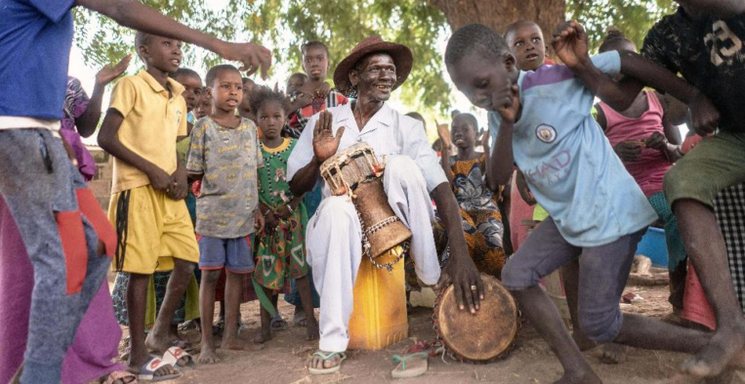
GPEI website, April 19 2023. Image credit: © UNICEF/UN0624019/ Lerneryd
- Log in to post comments