










































Social Data and Polio Eradication: A Reference Guide
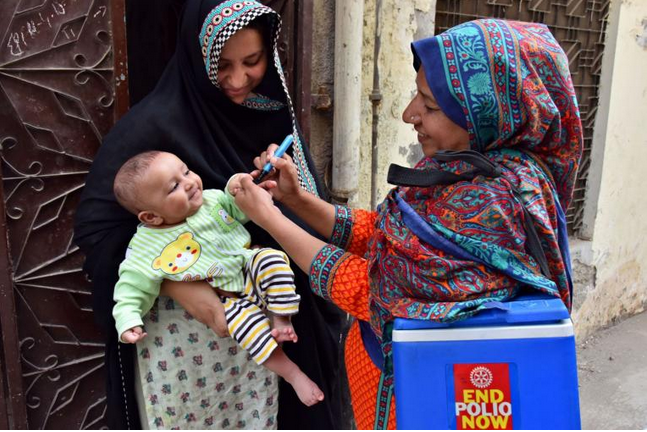
"As the world is poised to eradicate a disease for only the second time in history, understanding the last remaining pockets of unreached, missed and resistant children is more vital than ever."
This document gives an overview of the different types of data that can be collected for polio campaigns around the world and explains how these forms of data can be used for social and behaviour change (SBC) work. It is a practical tool designed to help the practitioner go beyond immunisation data that highlight gaps in coverage, awareness, and refusals, toward a nuanced understanding of why children are being missed. The guidelines were produced by the United Nations Children's Fund (UNICEF) on behalf of the Global Polio Eradication Initiative (GPEI) and Expanded Programme on Immunization (EPI).
UNICEF explains that vaccination, whether delivered at the front door or at a clinic, is subject to the same complex and often irrational decision-making process people often experience when faced with a choice. We are all vulnerable to doubt and rumour, and our decisions are steeped in deeply rooted community and cultural contexts, as well as past experience with health services and vaccination. Understanding caregiver motivation, context, culture, and perceptions can help to not only make communication and community engagement more effective but can also inform and improve how vaccines are delivered.
As the guide outlines, social data - including in an outbreak context - can tell us:
- The groups that are most vulnerable to polio by: socio-economic status, age, gender, literacy, ethnicity/religion/tribe, and/or living conditions and mobility;
- Where social commitment for oral polio vaccine (OPV) is low: through active resistance to vaccinate (overt refusals), passive resistance (high child absence, sleeping or sick child, etc.), and/or distrust/hostility to vaccination efforts;
- Who has access to information about the campaigns (people cannot participate if they are not aware of campaigns);
- The most effective ways to reach groups with information - e.g., by testing messages, channels, and the most impactful messengers; and
- Where shifts in campaign design and operations (timing, vaccinator profile, polio-plus, special campaigns for high-risk groups (HRGs), etc.) can have a big impact on coverage (i.e., social research can influence operational strategy).
In all cases, social data feed into different aspects of UNICEF's strategic approach. Research can:
- Identify current status: To figure out who the under-immunised children are;
- Investigate the detailed why: To dig deeper to better understand the reasons why they are un- or under-vaccinated;
- Propose what to do next: To try to predict what will happen next and to shape future strategic interventions; and
- Evaluate success: To answer the questions: How were our interventions perceived? What was the impact?
This guide is designed to provide teams in the field with a snapshot of the many data sources available to design targeted responses to tackle the operational, social, cultural, and normative challenges facing polio vaccination teams. After examining the use of social data in the context of the communication for development (C4D) response to polio outbreaks, the resource offers a multi-page reference guide for how to consider and review existing data sources in the GPEI and how epidemiological sources can be analysed to glean social insights.
Case studies from the Horn of Africa, India, Pakistan, and South Sudan, illustrate the use of social data in context. For example, the Pakistan programme has faced lack of trust among priority populations. Social profiles of polio cases since 2010 revealed that Pashto-speaking populations made up the majority of cases. Polling research in these priority regions, case profiles, and research into social norms informed a social norms-based communication strategy that promoted vaccination as a community priority, where vaccinators are a valuable and trusted community resource. Consequently, the polio campaign rebranded itself. As reported here, the Sehat Muhafiz brand continues to resonate, and several campaign phases have been rolled out, including the 2018 iteration, "We are all Sehat Muhafiz", which emphasises community engagement and shared responsibility for childhood vaccination.
English, French
20
Email from Audrey Franchi to The Communication Initiative on May 10 2022. Image credit: © UNICEF/Pakistan/Waseem Niaz
- Log in to post comments