










































Using Polio Eradication Assets to Improve Routine Immunization
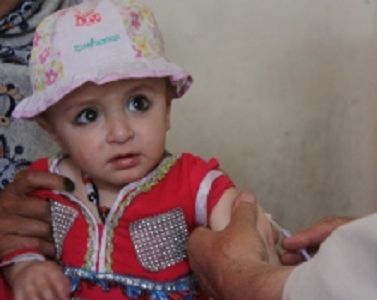
The importance of capacity building of vaccinators, effective implementation of robust communication and social mobilisation strategies, real-time monitoring and analysis of data, research-based innovation, and seamless partnership are amongst the strategies outlined in this report, which emerged from a high-level, multi-partner meeting (July 4-5 2013, Islamabad, Pakistan). It was convened by the World Health Organization (WHO) and the Government of Pakistan to discuss integration of routine immunisation (RI) and the polio eradication initiative (PEI). Based on the fact that Pakistan is among the 5 countries in the world with the highest number of unvaccinated children, despite 3 decades of RI, the notion was that the success of polio eradication activities in this country "provides valuable lessons for the wider health system, and a potential platform for cooperation and collaboration in strengthening systems" for RI. Futhermore, "[i]t is generally acknowledged that poliovirus transmission may not be interrupted before the end of 2015 unless there are effective systems and processes for routine immunization in all the 145 countries in the world, including Pakistan, that currently use the oral polio vaccine (OPV)." In this context, the aim of the meeting was to build agreement and consensus among partners on strategic direction and plausible next steps.
Mr. Michael Coleman, United Nations Children's Fund (UNICEF) Communications Specialist, gave a presentation about communication for polio eradication in Pakistan, exploring how existing infrastructure and staff could be used for demand creation for RI. He first gave an overview of the communication programme for polio in Pakistan that includes: information, education, and communication (IEC); mass communications, social mobilisation, high-risk group outreach; media engagement; advocacy; and private partnership and training of frontline workers. He argued that integration is possible because there are clear links between the polio and RI programme. Already, new RI activities involving polio communications staff are taking place, supporting measles campaigns, promoting hygiene, and training polio communications staff on RI and birth registration. In addition, free mobile health clinics are being introduced in polio-priority areas, a child immunisation helpline has been established, and there are now SMS (text messaging) broadcasts about RI being sent to polio high-risk communities. Advocacy with media and training of journalists has taken place, focusing on measles and RI. Mr. Coleman explained that there are some practical challenges to integration because the goals and timelines for the two programmes require different approaches. He said that detailed monitoring and evaluation (M&E) plans need to be in place for every activity. Integration must be done in a way that promotes government and community ownership. An example of this being achieved is the issuing to polio COMNET staff (social mobilisers) of government ID cards and the coordination of their activities with government oversight committees and control room.
Managers responsible for RI in the 4 provinces provided an overview of current Expanded Program on Immunization (EPI) planning and the ongoing pilots in the utilisation of polio assets and experiences to strengthen RI. For instance, Dr. Janbaz Afridi, Deputy Director of EPI, informed meeting participants that, in Khyber Pakhtunkhwa (KP), inspired by PEI, a communication cell has been established in the provincial EPI, and a provincial task force has been formed to provide high-level oversight. Support for implantation of the new provincial EPI policy, capacity building among staff, and advocacy and social mobilisation for community demand creation are important next steps. He argued that there are synergies for polio eradication and RI in using PEI micro-plans as a guide for integrated micro-planning for routine EPI. It was also proposed that polio vaccinators should be encouraged to refer children to RI, and polio eradication staff could deliver communication messages about EPI within the community and train EPI staff. Additionally, Dr. Afridi contended that the PEI oversight and monitoring structure should now focus on RI in addition to polio eradication, and that a "one-team" approach should be adopted to polio eradication and RI (involving both government and partners).
Partners expressed the consensus view that in order for integration between the two programmes to be successful, federal and provincial governments must play a leading role in driving the process. Six priority areas for integration include: accountability and oversight mechanisms, integrated micro-planning, capacity development of frontline workers, integrated communication and demand creation, routine EPI monitoring, and strengthened vaccine preventable disease (VPD) surveillance. Recommendations and a plan of action going forward are outlined in the concluding pages of the report.
Click here for the 35-page report in PDF format.
Email from Chris Morry to The Communication Initiative on February 5 2014. Image credit: WHO
- Log in to post comments