










































The 'What' and 'How' of Communication for Immunization
Author: Lora Shimp, June 12 2014 - "The two words 'information' and 'communication' are often used interchangeably, but they signify quite different things. Information is giving out; communication is getting through." Sydney J. Harris
As population-based services reaching the majority of infants in countries throughout the world, immunization programs have been a foundation for public and preventive health for decades. Numerous studies with caregivers have shown that the most important sources of information on immunization services are health workers, often followed by various types of media. Key to program success is how this information is communicated to the public and particularly to parents.
For many years, immunization programs in most countries have been implementing the "Reaching Every District" (RED) approach, adapted to local context. The aim of the RED approach is to improve the organization of immunization services, maximize the use of available resources, and guarantee sustainable and equitable immunization coverage for target populations, as outlined in the 2008 RED Guide [PDF]. The component on linking services with communities often receives insufficient attention, despite its potentially significant contribution to expanding and sustaining immunization coverage. Informed and involved communities play a key role in support for and participation in services.
So WHAT can be done to improve communication for immunization??
To increase immunization coverage rates, a program needs to: improve the population's physical access to services, enhance the convenience and quality of services, and/or motivate the public and ensure that families have essential information. Communication efforts should work hand in hand with service delivery and quality improvement to:
- Achieve higher coverage rates and reduce missed opportunities and drop-outs by facilitating community awareness, commitment, and participation in immunization services;
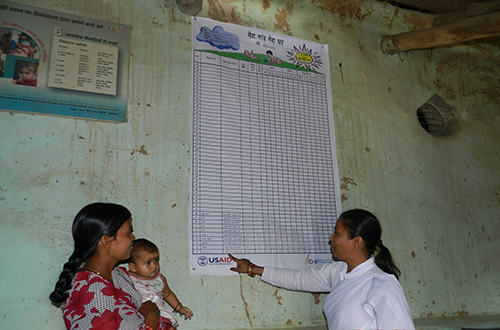
- Guide implementation of immunization policies and action plans as well as use of reporting and tracking tools (e.g. immunization registers and child health cards) through effectively communicating information on program achievements and quality improvements, as well as through advocacy to ensure support of leaders and communities;
- Improve interactions and communication on the importance and value of immunization between health workers, communities and caregivers, which should: build confidence in and utilization of immunization services, strengthen delivery approaches and help to ensure that commodities are available as scheduled, and (through interpersonal and media channels) prevent or dispel misinformation and doubts related to immunization;
- Mobilize resources, from national to community levels, through advocacy and lobbying of donors and organizations from various sectors to support immunization as a public health priority.
THE FIVE RED COMPONENTS
- PLANNING AND MANAGEMENT OF RESOURCES - better management of human and financial resources.
- REACHING TARGET POPULATIONS - improving access to immunization services by all.
- LINKING SERVICES WITH COMMUNITIES - partnering with communities to promote and deliver services.
- SUPPORTIVE SUPERVISION - regular on-site teaching, feedback and follow-up with health staff.
- MONITORING FOR ACTION - using tools and providing feedback for continuous self- assessment and improvement
Editor's notes:
- Lora Shimp is affiliated with John Snow, Inc.
- This blog was originally solicited by (and is cross-posted at) the Health Communication Capacity Building project.
- Click here for a summary of the 2008 RED guide that Shimp references.
- Click here for the second part of this two-part blog (the HOW).
- Log in to post comments