










































How Storytelling Can Combat Vaccine Hesitancy: A Transdisciplinary Approach
KU Leuven - University of Leuven
"Pro-vaccine messages need to rely less on brute facts and more on personal stories if we want to convince parents that they need to vaccinate."
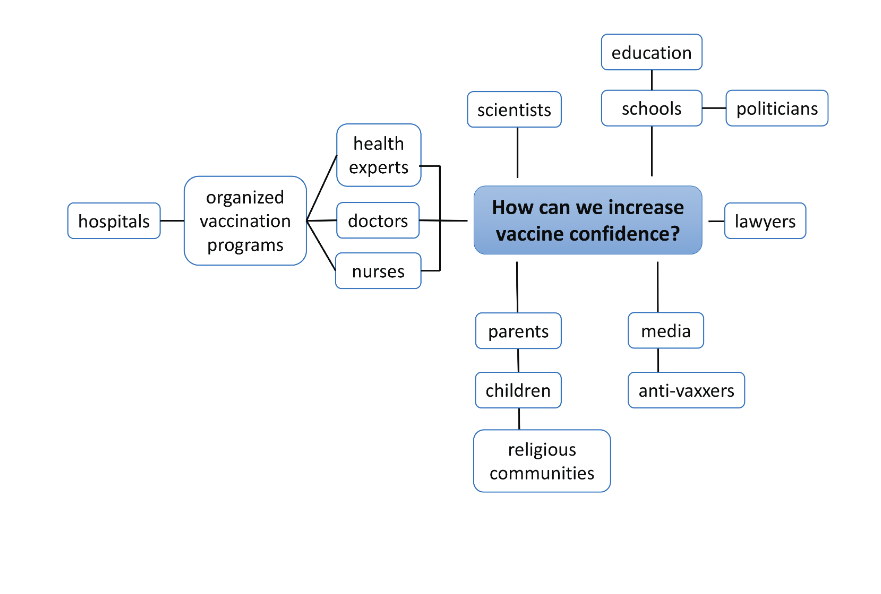
In search of a way to understand the circumstances that influence refusal of childhood vaccination, this group of researchers spent 8 months carrying out literature reviews on the topic of vaccine hesitancy, interviews with hesitant parents, interactions with various stakeholders within and outside academia, and analyses of popular views on social media concerning vaccines. This transdisciplinary process leads them to question the effectiveness of current pro-vaccine approaches and to suggest adopting "storytelling" that incorporates scientific data to inform parents, build their confidence in vaccination, and ultimately help stop the circulation and outbreak of vaccine-preventable diseases.
The researchers explore the nature of vaccine hesitancy, in part pointing to the accessibility of information on the internet, which means that parents can actively and independently research vaccines. Search results are filtered on popularity and previous search history, but they are not based on the reliability of the content. Parents are exposed to negative claims about vaccines that appeal to their emotions, which tends to make them doubt vaccinations. By contrast, most positive vaccine messaging focuses on providing information through scientific data; this has proven to be ineffective for some hesitant parents.
The core suggestion to the "wicked problem" of vaccine hesitancy these researchers are advancing is: "So when you encounter a hesitant parent, do not just give them facts and figures. Do not just say science is right. Tell them a story because stories speak to the heart." Their project was selected to participate in the KU Leuven chapter of the Falling Walls Lab, an international forum for researchers to present their ideas to both a wider public audience and a panel of specialist judges. (See the video, below.) They also presented at the Facing the Future symposium. In recounting these experiences, they identify 3 promising ways to tell personal stories about vaccines:
- Vaccines as part of the "green" lifestyle
- Protection through herd immunity
- Consequences of vaccine-preventable diseases
They point out that there is a heterogeneous group of hesitant people, so it is crucial that the strategy of storytelling be adapted to a particular subgroup.
Their future plans include making videos of these personal stories that could be shared through social media. A pilot study with these could help the researchers to better understand which factors would be more efficient - for example, positive or negative emotional stories.
In addition to a list of references, the article features a reading list and links to relevant websites.
Transdisciplinary Insights Volume 2, 2018, 92-103. Leuven University Press, Online ISSN 2593-0338. https://doi.org/10.11116/TDI2018.2.4
- Log in to post comments