










































Planning and Providing Effective Immunization Services
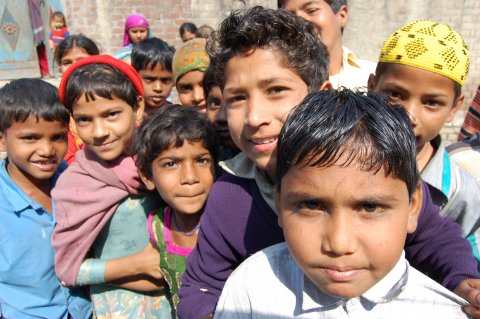
"Flexibility and creativity are needed to develop service delivery strategies that are appropriate for the needs of different communities."
This resource from K4Health is part of the Technical Reference Materials (TRMs), which are products of the United States Agency for International Development, Bureau for Global Health, Office of Health, Infectious Diseases, and Nutrition (USAID/GH/HIDN). They are a series of guides to help programme planners and implementers consider the many elements in a particular technical area of the Child Survival and Health Grants Program (CSHGP). These guides are not an official policy for practice; rather, they are basic everyday summaries to be used as field reference documents. The TRMs are organised in modules that correspond to the primary interventions and key strategies that are central to CSHGP; Immunization is one of them.
Within that, the Planning and Providing Effective Immunization Services toolkit includes the following sections (communication-related elements are emphasised below):
- Policies and Guidelines - The World Health Organization (WHO) and GAVI strongly encourage countries to prepare and update their immunisation comprehensive multiyear plan (cMYP); a link to a WHO database is provided.
- Tools and Training for Program Staff - WHO has produced two key training resources: the Mid-Level Managers course and Immunization in Practice for frontline health workers. Of note: the module on partnering with communities in the Mid-Level Managers course and the module on building community support for immunisation in the Immunization in Practice course.
- Reaching Every District (RED) Approach - RED comprises 5 main components:
- Planning and managing resources.
- Reaching intended populations through a mix of service delivery strategies.
- Linking services with communities. Through regular meetings, district health teams and health facility staff engage with communities to make sure that immunisation and other services are meeting their needs.
- Providing supportive supervision by periodically assessing and strengthening service providers' skills, attitudes, and working conditions.
- Monitoring and using data for action, which entails tracking progress toward programme objectives as close to the point of data collection as possible, as well as using data as a basis for taking appropriate action. (For more on monitoring and evaluation from K4Health, click here).
- Assuring Quality and Safety of Immunization Servies - In addition to topics related to vaccines, supplies, and logistics, resources linked to from here focus on adverse event following immunisation (AEFIs), quality of services and client satisfaction to help in assessing provider counseling skills, focus group discussions conducted by an independent party, such as a PVO or NGO (as opposed to local Ministry of Health personnel), produce more open and useful opinions of services), and avoiding missed opportunities ("studies have shown that if health workers are confident and comfortable about providing vaccinations to a child with a mild or common illness, parents do not object"). Another topic covered here is demand for immunisation (along with it: vaccine hesitancy). As is stated here, if people have physical access to immunisation services but are not using them or drop-out rates are high (over 10%), the following strategies should be considered:
- Increase community understanding of the value of knowledge about immunisation.
- Change the hours of immunization sessions so that they are more convenient for parents.
- Involve community members in organizing immunisation services and solving transport problems.
- Engage trusted community or religious leaders to promote the benefits of immunisation and provide information on when and where it is available.
- Linking Immunization with Other Health Services and Interventions - To provide services that meet a range of caregiver needs and reduce missed opportunities, routine immunisation should be a part of other maternal and child health services and interventions, like Vitamin A supplementation.
Image credit: K4Health
- Log in to post comments